The Ultimate Guide to Stretching Exercises for Maximum Flexibility

Hey there, friends! If you're like most of us, you probably have a busy life. Between work, family, and all the other things that keep you running around, it's easy to forget about something as simple as stretching. But let me tell you, stretching is one of those things that can make a huge difference in your overall well-being. Whether you're an athlete, a desk worker, or just someone trying to stay active, incorporating stretching exercises into your routine can do wonders for your flexibility, mobility, and even your mental health.
You might be thinking, "But I don't have time to stretch." Or maybe you've tried stretching before and didn't see much improvement. That's totally normal. Many people think they're too busy to stretch, or they don't know where to start. The truth is, you don't need hours to reap the benefits of stretching. In fact, just a few minutes a day can make a big difference.
Now, I know what you're thinking—why should I care about flexibility? Well, imagine being able to move more freely, without the stiffness that comes with sitting at a desk all day or working out without the risk of injury. Flexibility isn't just about being able to touch your toes; it's about how your body functions on a daily basis. When your muscles are tight, it can lead to pain, discomfort, and even long-term issues if left unchecked.
So, how do you get started? That's exactly what this article is all about. We're going to dive deep into the world of stretching exercises for maximum flexibility. You'll learn why stretching is important, what types of stretches you should try, and how to make stretching a regular part of your routine. Plus, we'll share some practical tips and tricks to help you stay consistent and see real results.
Let's face it, we all have moments where we feel stiff, sore, or just plain uncomfortable. Maybe you wake up with a crick in your neck, or you find yourself hunched over your computer for hours on end. These are signs that your body needs some attention. Stretching is a powerful tool that can help you feel better, move more freely, and even reduce stress. It's not just about physical benefits—it's also about mental clarity and relaxation.
In the following sections, we'll break down the different types of stretching, the best exercises to try, and how to incorporate them into your daily life. Whether you're a beginner or looking to take your flexibility to the next level, this guide has something for everyone. So, grab a chair, find a quiet spot, and let's get started on the journey to greater flexibility and overall wellness.
Why Flexibility Matters
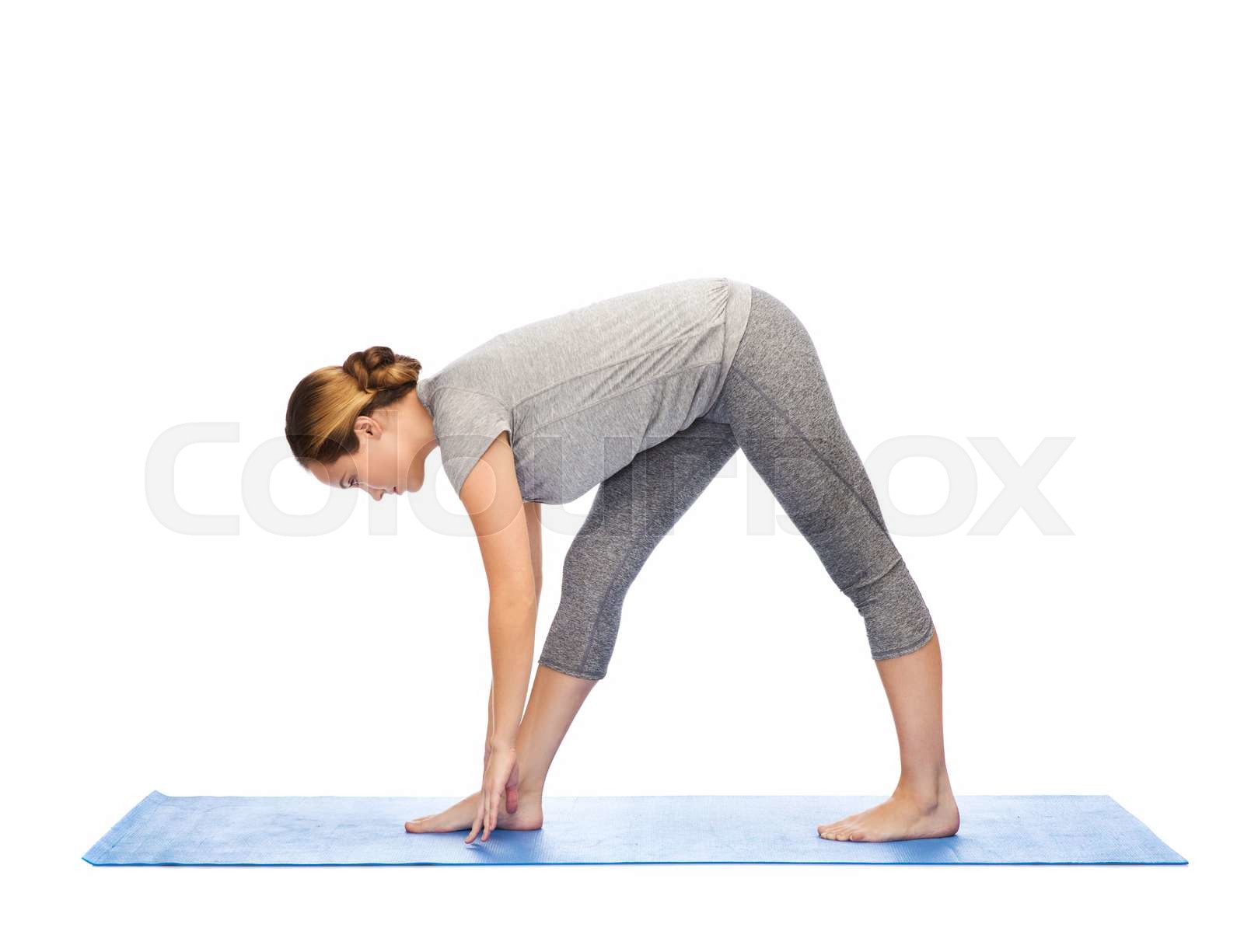
Flexibility is more than just being able to bend your knees or reach your toes. It's about how your body moves and functions. When your muscles are flexible, they can perform their jobs more efficiently, which means less strain on your joints and a lower risk of injury. This is especially important if you're an athlete or someone who's physically active. But even if you're not, flexibility plays a role in everyday activities—like bending down to pick something up, reaching for an object on a high shelf, or even just sitting comfortably in a chair.
On the flip side, when your muscles are tight or stiff, it can lead to a variety of problems. For example, tight hamstrings can cause lower back pain, while tight hip flexors can contribute to poor posture and discomfort. Over time, these issues can compound, leading to chronic pain and limited mobility. That's why it's so important to prioritize flexibility in your fitness routine.
Another key benefit of stretching is its impact on your mental health. When you stretch, you're not only working on your physical body—you're also giving your mind a chance to relax and focus. This is why many people find stretching to be a form of meditation. It helps you slow down, breathe deeply, and become more aware of your body. This mindfulness aspect can be incredibly beneficial, especially if you're dealing with stress or anxiety.
So, why is flexibility often overlooked? One reason is that it's not always seen as a priority. People tend to focus on strength training, cardio, or other forms of exercise that offer immediate results. But flexibility is the foundation of all movement. Without it, even the strongest muscles can't function properly. That's why it's essential to include stretching in your routine, no matter your fitness level.
The Science Behind Stretching
If you're wondering whether stretching is actually effective, the answer is a resounding yes. Scientific research has shown that regular stretching can improve your range of motion, reduce muscle soreness, and even enhance athletic performance. But how does it work?
When you stretch, you're essentially lengthening your muscles and connective tissues. This process helps increase blood flow to the area, which delivers more oxygen and nutrients to your muscles. It also helps remove waste products that can build up during exercise, reducing soreness and promoting faster recovery. Additionally, stretching can help improve your posture by correcting imbalances in your muscles.
There are two main types of stretching: static and dynamic. Static stretching involves holding a stretch in a fixed position for a period of time, usually 10 to 30 seconds. This type of stretching is best done after a workout when your muscles are warm. Dynamic stretching, on the other hand, involves moving through a range of motion, such as leg swings or arm circles. This type of stretching is ideal for warming up before physical activity because it helps prepare your muscles for movement.
It's also worth noting that stretching doesn't have to be complicated. You don't need a gym membership or special equipment to get started. In fact, many of the most effective stretches can be done right in your living room or office. All you need is a little space and a willingness to make stretching a regular part of your routine.
The Benefits of Regular Stretching
Now that we've covered the basics, let's talk about the specific benefits of regular stretching. As mentioned earlier, flexibility is crucial for preventing injuries and improving overall mobility. But there are several other advantages that come with making stretching a habit.
One of the most noticeable benefits is reduced muscle soreness. After a tough workout, it's common to feel stiff and sore. Stretching helps alleviate this discomfort by increasing blood flow and reducing tension in the muscles. This can also speed up your recovery time, allowing you to get back to your workouts sooner.
Another benefit is improved circulation. When you stretch, you're encouraging blood to flow to different parts of your body. This not only helps with muscle recovery but also supports overall cardiovascular health. Better circulation can also help with joint health, reducing the risk of conditions like arthritis.
Stretching can also have a positive impact on your mental health. As I mentioned earlier, it's a great way to unwind and reduce stress. By focusing on your breath and the sensations in your body, you can create a sense of calm and relaxation. This is especially helpful if you're dealing with a hectic schedule or high levels of stress.
Additionally, stretching can improve your posture. Many people spend long hours sitting, which can lead to poor posture and related issues like back pain. By regularly stretching the muscles that are tight from sitting, you can help realign your body and reduce discomfort. This can also lead to better balance and coordination, which are essential for both daily activities and physical performance.
Finally, stretching can boost your energy levels. When your muscles are tight, it can be harder to move efficiently, which can leave you feeling sluggish. By improving your flexibility, you can move more freely and with less effort, which can help you feel more energized throughout the day.
How to Get Started with Stretching
If you're new to stretching, the best place to start is with some basic, gentle exercises. Don't worry about pushing yourself too hard—your goal is to feel a stretch, not pain. Here are a few simple stretches to try:
- Chest Stretch: Stand tall and bring your arms behind your back, interlacing your fingers. Gently push your chest forward and lift your arms slightly. Hold for 20 to 30 seconds.
- Hamstring Stretch: Sit on the floor with one leg extended and the other bent. Reach toward your toes, keeping your back straight. Hold for 30 seconds.
- Shoulder Rolls: Roll your shoulders forward and backward in a circular motion. Do this for 10 to 15 repetitions.
- Neck Stretch: Tilt your head to one side, bringing your ear toward your shoulder. Hold for 10 seconds, then switch sides.
- Hip Flexor Stretch: Kneel on one knee and step the other foot forward. Push your hips forward until you feel a stretch in the front of your thigh. Hold for 20 to 30 seconds.
These stretches are perfect for beginners and can be done anywhere, anytime. As you become more comfortable, you can gradually increase the intensity and duration of your stretches.
Tips for Consistency
One of the biggest challenges when starting a stretching routine is staying consistent. It's easy to skip a session when you're busy or don't feel like it. But consistency is key when it comes to seeing results. Here are a few tips to help you stay on track:
- Set a Schedule: Choose specific times during the day to stretch, such as first thing in the morning or before bed. Having a routine makes it easier to stick with.
- Make It Part of Your Workout: If you're already working out, add stretching to the end of your session. This way, you're not adding extra time to your day.
- Use Reminders: Set reminders on your phone or computer to prompt you to stretch. Even a quick reminder can help you stay accountable.
- Find a Partner: Stretching with a friend or family member can make it more enjoyable and keep you motivated.
- Track Your Progress: Keep a journal or use an app to track your stretching routine. Seeing your progress can be a great motivator.
Remember, it's not about perfection—it's about progress. Even a few minutes of stretching each day can make a big difference over time.
Common Mistakes to Avoid
While stretching is generally safe, there are a few common mistakes that can lead to injury or ineffective results. Here are a few things to watch out for:
- Overstretching: Stretching should never hurt. If you feel sharp pain, stop immediately. You should only feel a mild discomfort, not pain.
- Bouncing While Stretching: Bouncing can cause your muscles to tighten instead of relax. Always hold a stretch gently and smoothly.
- Ignoring Warm-Up: Stretching cold muscles can be counterproductive. Always warm up with light cardio or movement before stretching.
- Skipping the Cool-Down: After a workout, it's important to cool down with stretching to help your muscles recover.
- Rushing Through Stretches: Take your time with each stretch. Holding a stretch for 20 to 30 seconds allows your muscles to fully relax and benefit from the stretch.
By avoiding these mistakes, you can ensure that your stretching routine is both effective and safe.
Advanced Stretching Techniques
Once you've built a solid foundation with basic stretching, you can start exploring more advanced techniques. These can help you take your flexibility to the next level and achieve greater range of motion. Some popular advanced stretching methods include:
- Proprioceptive Neuromuscular Facilitation (PNF): This technique involves contracting and relaxing muscles while stretching. It's often used by athletes to improve flexibility and performance.
- Dynamic Stretching: As mentioned earlier, dynamic stretching involves movement and is great for warming up before physical activity. It can also be used as a standalone routine to improve mobility.
- Yoga: Yoga combines stretching with breath control and mindfulness, making it a powerful tool for improving flexibility and overall well-being.
- Foam Rolling: Using a foam roller can help release tension in your muscles and improve flexibility. It's a great complement to your stretching routine.
These advanced techniques can be incorporated into your routine as you become more experienced. Just remember to listen to your body and avoid pushing yourself beyond your limits.
Stretching for Different Goals
Everyone has different goals when it comes to stretching. Whether you're looking to improve your athletic performance, reduce pain, or simply feel more comfortable in your own body, there's a stretching routine that can help. Here are a few examples:
- Athletes: If you're an athlete, focus on dynamic stretching before workouts and static stretching after. This will help prepare your muscles for activity and aid in recovery.
- Office Workers: If you spend most of your day sitting, prioritize stretches that target the neck, shoulders, and hips. These areas are prone to tightness and can cause discomfort if neglected.
- Seniors: For older adults, gentle stretching can help maintain mobility and prevent falls. Focus on low-impact stretches that don't put too much strain on the body.
- Pain Relief: If you're dealing with chronic pain, consult with a healthcare professional before starting a stretching routine. They can recommend specific stretches that may help alleviate your symptoms.
No matter your goal, there's a way to tailor your stretching routine to suit your needs. The key is to be consistent and patient, as flexibility improvements take time.
Final Thoughts
Stretching is one of the simplest yet most effective ways to improve your overall health and well-being. It's not just about being able to touch your toes—it's about how your body feels and functions on a daily basis. By making stretching a regular part of your routine, you can enjoy a wide range of benefits, from reduced pain and improved mobility to better mental clarity and stress relief.
So, what are you waiting for? Start small, stay consistent, and watch as your flexibility improves over time. Remember, every stretch counts, and even a few minutes a day can make a big difference. Whether you're a beginner or an experienced practitioner, there's always room to grow and improve. So, roll out your mat, find a quiet space, and give yourself the gift of flexibility. Your body—and your mind—will thank you.
Frequently Asked Questions About Stretching Exercises for Flexibility
Q: How often should I stretch to see results?
A: To see improvements in flexibility, it's recommended to stretch at least three times a week. However, the more consistent you are, the better your results will be. Aim to stretch daily if possible, especially after workouts or when you're feeling tight.
Q: What are the best stretching exercises for beginners?
A: Beginners should start with simple, gentle stretches that target major muscle groups. Some of the best options include the chest stretch, hamstring stretch, shoulder rolls, neck stretch, and hip flexor stretch. These exercises are easy to do and can be performed anywhere.
Q: Can stretching help with back pain?
A: Yes, stretching can be very effective for relieving back pain. Tight muscles, especially in the lower back and hips, can contribute to discomfort. By regularly stretching these areas, you can improve flexibility, reduce tension, and alleviate pain.
Q: Is it safe to stretch every day?
A: Yes, stretching every day is generally safe and can be beneficial for maintaining flexibility. However, it's important to listen to your body and avoid overstretching. If you feel pain or discomfort, stop and rest. Always warm up before stretching and hold each stretch for 20 to 30 seconds.
Q: How long should I hold each stretch?
A: For optimal results, hold each stretch for at least 20 to 30 seconds. If you're comfortable, you can extend the hold to 1 to 2 minutes. The key is to focus on the stretch and breathe deeply, allowing your muscles to relax and lengthen.
Q: Can stretching improve my posture?
A: Yes, stretching can definitely improve your posture. Many people develop poor posture due to tight muscles, especially in the chest, shoulders, and hips. By regularly stretching these areas, you can help realign your body and reduce discomfort. This can also lead to better balance and coordination.
Q: What should I do if I feel pain while stretching?
A: If you feel pain while stretching, stop immediately. Pain is a sign that you're pushing too far or that something is wrong. Stretching should never hurt. Instead, focus on a mild discomfort and adjust the stretch as needed. If the pain persists, consult with a healthcare professional.
Q: Can I stretch at work?
A: Absolutely! You don't need a gym or special equipment to stretch. There are plenty of stretches you can do at your desk or in your office. Simple exercises like shoulder rolls, neck stretches, and seated forward folds can help relieve tension and improve flexibility throughout the day.
Q: How long does it take to see improvements in flexibility?
A: With consistent stretching, you can expect to see improvements in flexibility within two to four weeks. However, achieving significant flexibility, such as doing a split, may take longer. The key is to stay committed and practice regularly.
Q: What are the best ways to stay motivated with stretching?
A: Staying motivated with stretching can be challenging, but there are a few strategies that can help. Set a schedule, track your progress, find a stretching partner, and use reminders. Also, focus on how your body feels after stretching and celebrate small victories. The more you enjoy the process, the easier it will be to stay consistent.
Q: Can stretching help with stress and anxiety?
A: Yes, stretching can be a great way to manage stress and anxiety. It promotes relaxation, improves breathing, and helps you focus on the present moment. By incorporating stretching into your routine, you can create a sense of calm and reduce mental fatigue.
Q: Are there any risks associated with stretching?
A: While stretching is generally safe, there are some risks if done incorrectly. Overstretching, bouncing while stretching, and ignoring warm-up can lead to injury. Always listen to your body and avoid pushing past the point of mild discomfort. If you have any medical conditions, consult with a healthcare professional before starting a stretching routine.
Q: What are the differences between static and dynamic stretching?
A: Static stretching involves holding a stretch in a fixed position for a period of time, typically 20 to 30 seconds. It's best done after a workout when your muscles are warm. Dynamic stretching, on the other hand, involves movement through a range of motion, such as leg swings or arm circles. It's ideal for warming up before physical activity.
Q: Can stretching improve my athletic performance?
A: Yes, stretching can definitely improve your athletic performance. It helps increase your range of motion, reduces the risk of injury, and enhances muscle function. By incorporating stretching into your training routine, you can move more efficiently and perform at your best.
Q: How can I make stretching a part of my daily routine?
A: Making stretching a part of your daily routine requires commitment and consistency. Set aside specific times to stretch, use reminders, and find stretches that fit your lifestyle. Whether it's in the morning, after a workout, or during a break at work, finding a time that works for you is key to success.
Q: What are some tools that can help with stretching?
A: There are several tools that can enhance your stretching routine. Foam rollers, stretch bands, yoga straps, and resistance bands are all great options. These tools can help you stretch more effectively and safely, especially if you're targeting specific areas of your body.
Q: How can I know if I'm stretching correctly?
A: To know if you're stretching correctly, focus on the sensation in your muscles. You should feel a mild stretch, not pain. Keep your movements smooth and controlled, and breathe deeply throughout the stretch. If you're unsure, consider working with a trainer or using online resources to guide you.
Q: What should I do if I don't have time to stretch?
A: If you don't have time to stretch, try to incorporate short, efficient stretches into your day. Even a few minutes of stretching can make a difference. Prioritize stretches that target the areas you feel the most tension in, and don't be afraid to do them throughout the day rather than all at once.
Q: Can stretching help with sleep?
A: Yes, stretching can help improve sleep quality. It promotes relaxation, reduces stress, and helps your body unwind. By incorporating stretching into your bedtime routine, you can create a calming environment that prepares your body for restful sleep.
Q: What are the best times to stretch?
A: The best times to stretch are after a workout, when your muscles are warm, and in the morning to help wake up your body. You can also stretch during breaks at work or before bed to promote relaxation. The key is to find a time that fits your schedule and allows you to focus on your stretches.
Q: Can stretching help with weight loss?
A: While stretching itself doesn't burn calories, it can support weight loss efforts by improving mobility and reducing the risk of injury. This allows you to engage in more physical activity and maintain a consistent exercise routine. Additionally, stretching can help with digestion and metabolism, contributing to overall health.
Q: What are the best stretches for improving balance?
A: Stretches that improve balance include yoga poses like tree pose, warrior II, and child's pose. These exercises not only enhance flexibility but also strengthen the muscles involved in balance. Incorporating these stretches into your routine can help improve stability and reduce the risk of falls.
Q: Can stretching help with menstrual cramps?
A: Yes, stretching can be beneficial for alleviating menstrual cramps. Gentle stretches that target the lower back, hips, and legs can help relieve tension and improve blood flow. This can reduce discomfort and promote a sense of relaxation during your menstrual cycle.
Q: What are the best stretches for runners?
A: Runners should focus on stretches that target the calves, hamstrings, quads, and hip flexors. Some effective stretches include the calf stretch, hamstring stretch, quad stretch, and hip flexor stretch. These exercises help prevent injury, improve performance, and aid in recovery.
Q: Can stretching help with sciatica?
A: Yes, stretching can be helpful for managing sciatica. Stretches that target the lower back, hips, and legs can reduce pressure on the sciatic nerve and alleviate pain. However, it's important to consult with a healthcare professional before starting a stretching routine, especially if you have severe symptoms.
Q: What are the best stretches for office workers?
A: Office workers should focus on stretches that target the neck, shoulders, back, and hips. Some effective options include the neck stretch, shoulder rolls, seated forward fold, and hip flexor stretch. These exercises help relieve tension and improve posture, making it easier to sit comfortably for long periods.
Q: Can stretching help with carpal tunnel syndrome?
A: Yes, stretching can help with carpal tunnel syndrome by improving flexibility and reducing tension in the wrists and hands. Stretches that target the forearm, wrist, and fingers can help alleviate symptoms and promote better circulation. However, it's important to consult with a healthcare professional for proper guidance.
Q: What are the best stretches for swimmers?
A: Swimmers should focus on stretches that target the shoulders, back, and hips. Some effective stretches include the shoulder stretch, chest opener, and hip flexor stretch. These exercises help improve range of motion, reduce the risk of injury, and enhance performance in the water.
Q: Can stretching help with tennis elbow?
A: Yes, stretching can help with tennis elbow by improving flexibility and reducing tension in the forearm muscles. Stretches that target the wrists, forearms, and elbows can help alleviate pain and promote healing. However, it's important to consult with a healthcare professional for proper treatment and guidance.
Q: What are the best stretches for cyclists?
A: Cyclists should focus on stretches that target the quadriceps, hamstrings, and hips. Some effective stretches include the quad stretch, hamstring stretch, and hip flexor stretch. These exercises help prevent injury, improve performance, and aid in recovery after long rides.
Q: Can stretching help with plantar fasciitis?
A: Yes, stretching can be beneficial for managing plantar fasciitis. Stretches that target the calves, feet, and arches can help relieve tension and reduce pain. However, it's important to consult with a healthcare professional for proper guidance and treatment.
Q: What are the best stretches for golfers?
A: Golfers should focus on stretches that target the spine, shoulders, and hips. Some effective stretches include the spinal twist, shoulder stretch, and hip flexor stretch. These exercises help improve flexibility, reduce the risk of injury, and enhance performance on the golf course.
Q: Can stretching help with headaches?
A: Yes, stretching can help with headaches by reducing tension in the neck, shoulders, and back. Stretches that target these areas can alleviate pressure and promote relaxation. However, it's important to consult with a healthcare professional if you experience frequent or severe headaches.
Q: What are the best stretches for hikers?
A: Hikers should focus on stretches that target the legs, hips, and back. Some effective stretches include the quad stretch, hamstring stretch, and hip flexor stretch. These exercises help prevent injury, improve performance, and aid in recovery after long hikes.
Q: Can stretching help with asthma?
A: While stretching itself doesn't treat asthma, it can help improve breathing and reduce stress. Stretches that target the chest, shoulders, and diaphragm can promote better lung function and relaxation. However, it's important to consult with a healthcare professional for proper management of asthma.
Q: What are the best stretches for dancers?
A: Dancers should focus on stretches that target the entire body, with a particular emphasis on the legs, hips, and back. Some effective stretches include the hamstring stretch, hip flexor stretch, and spine twist. These exercises help improve flexibility, reduce the risk of injury, and enhance performance on stage.
Q: Can stretching help with depression?
A: Yes, stretching can be a helpful tool for managing depression. It promotes relaxation, improves mood, and helps reduce stress. By incorporating stretching into your routine, you can create a sense of calm and well-being that can positively impact your mental health.
Q: What are the best stretches for yoga practitioners?
A: Yoga practitioners should focus on a variety of stretches that target different parts of the body. Some effective stretches include the downward dog, cobra pose, and pigeon pose. These exercises help improve flexibility, balance, and overall well-being, making them ideal for regular practice.
Q: Can stretching help with fibromyalgia?
A: Yes, stretching can be beneficial for managing fibromyalgia. It helps reduce muscle tension, improve circulation, and promote relaxation. However, it's important to consult with a healthcare professional for proper guidance and treatment, as fibromyalgia can be a complex condition.
Q: What are the best stretches for swimmers?
A: Swimmers should focus on stretches that target the shoulders, back, and hips. Some effective stretches include the shoulder stretch, chest opener, and hip flexor stretch. These exercises help improve range of motion, reduce the risk of injury, and enhance performance in the water.
Q: Can stretching help with migraines?
A: Yes, stretching can help with migraines by reducing tension in the neck, shoulders, and back. Stretches that target these areas can alleviate pressure and promote relaxation. However, it's important to consult with a healthcare professional for proper management of migraines.
Q: What are the best stretches for snowboarders?
A: Snowboarders should focus on stretches that target the legs, hips, and back. Some effective stretches include the quad stretch, hamstring stretch, and hip flexor stretch. These exercises help prevent injury, improve performance, and aid in recovery after long sessions on the slopes.
Q: Can stretching help with arthritis?
A: Yes, stretching can be beneficial for managing arthritis. It helps improve joint mobility, reduce stiffness, and promote circulation. However, it's important to consult with a healthcare professional for proper guidance and treatment, as arthritis can vary in severity.
Q: What are the best stretches for martial artists?
A: Martial artists should focus on stretches that target the entire body, with a particular emphasis on the legs, hips, and back. Some effective stretches include the hamstring stretch, hip flexor stretch, and spine twist. These exercises help improve flexibility, reduce the risk of injury, and enhance performance in combat sports.
Q: Can stretching help with insomnia?
A: Yes, stretching can help with insomnia by promoting relaxation and reducing stress. It can also help your body unwind and prepare for restful sleep. By incorporating stretching into your bedtime routine, you can create a calming environment that supports better sleep.
Q: What are the best stretches for skiers?
A: Skiers should focus on stretches that target the legs, hips, and back. Some effective stretches include the quad stretch, hamstring stretch, and hip flexor stretch. These exercises help prevent injury, improve performance, and aid in recovery after long days on the slopes.
Q: Can stretching help with anxiety?
A: Yes, stretching can be a helpful tool for managing anxiety. It promotes relaxation, improves mood, and helps reduce stress. By incorporating stretching into your routine, you can create a sense of calm and well-being that can positively impact your mental health.
Q: What are the best stretches for skateboarders?
A: Skateboarders should focus on stretches that target the legs, hips, and back. Some effective stretches include the quad stretch, hamstring stretch, and hip flexor stretch. These exercises help prevent injury, improve performance, and aid in recovery after long sessions on the board.
Q: Can stretching help with heartburn?
A: While stretching itself doesn't directly treat heartburn, it can help improve digestion and reduce stress, which are both factors that can contribute to heartburn. Stretches that target the abdomen and back can promote better digestion and relieve discomfort. However, it's important to consult with a healthcare professional for proper management of heartburn.
Q: What are the best stretches for rock climbers?
A: Rock climbers should focus on stretches that target the shoulders, back, and hips. Some effective stretches include the shoulder stretch, chest opener, and hip flexor stretch. These exercises help improve flexibility, reduce the risk of injury, and enhance performance on the climbing wall.
Q: Can stretching help with constipation?
A: Yes, stretching can be beneficial for managing constipation. It helps improve digestion, reduce stress, and promote bowel movements. Stretches that target the abdomen and back can alleviate discomfort and support overall digestive health. However, it's important to consult with a healthcare professional for proper guidance and treatment.
Q: What are the best stretches for surfers?
A: Surfers should focus on stretches that target the legs, hips, and back. Some effective stretches include the quad stretch, hamstring stretch, and hip flexor stretch. These exercises help prevent injury, improve performance, and aid in recovery after long sessions in the water.
Q: Can stretching help with allergies?
A: While stretching itself doesn't directly treat allergies, it can help improve breathing and reduce stress, which are both factors that can contribute to allergy symptoms. Stretches that target the chest and shoulders can promote better lung function and relaxation. However, it's important to consult with a healthcare professional for proper management of allergies.
Q: What are the best stretches for weightlifters?
A: Weightlifters should focus on stretches that target the entire body, with a particular emphasis on the shoulders, back, and legs. Some effective stretches include the shoulder stretch, chest opener, and hamstring stretch. These exercises help improve flexibility, reduce the risk of injury, and enhance performance in the gym.
Q: Can stretching help with depression?
A: Yes, stretching can be a helpful tool for managing depression. It promotes relaxation, improves mood, and helps reduce stress. By incorporating stretching into your routine, you can create a sense of calm and well-being that can positively impact your mental health.
Q: What are the best stretches for gymnasts?
A: Gymnasts should focus on stretches that target the entire body, with a particular emphasis on the legs, hips, and back. Some effective stretches include the hamstring stretch, hip flexor stretch, and spine twist. These exercises help improve flexibility, reduce the risk of injury, and enhance performance on the gymnastics apparatus.
Q: Can stretching help with hypertension?
A: Yes, stretching can be beneficial for managing hypertension. It helps reduce stress, improve circulation, and promote relaxation. By incorporating stretching into your routine, you can create a sense of calm and well-being that can positively impact your cardiovascular health.
Q: What are the best stretches for cyclists?
A: Cyclists should focus on stretches that target the legs, hips, and back. Some effective stretches include the quad stretch, hamstring stretch, and hip flexor stretch. These exercises help prevent injury, improve performance, and aid in recovery after long rides.
Q: Can stretching help with eczema?
A: While stretching itself doesn't directly treat eczema, it can help improve circulation and reduce stress, which are both factors that can contribute to skin irritation. Stretches that target the affected areas can promote healing and relief. However, it's important to consult with a healthcare professional for proper management of eczema.
Q: What are the best stretches for martial artists?
A: Martial artists should focus on stretches that target the entire body, with a particular emphasis on the legs, hips, and back. Some effective stretches include the hamstring stretch, hip flexor stretch, and spine twist. These exercises help improve flexibility, reduce the risk of injury, and enhance performance in combat sports.
Q: Can stretching help with hay fever?
A: While stretching itself doesn't directly treat hay fever, it can help improve breathing and reduce stress, which are both factors that can contribute to allergy symptoms. Stretches that target the chest and shoulders can promote better lung function and relaxation. However, it's important to consult with a healthcare professional for proper management of hay fever.
Q: What are the best stretches for hikers?
A: Hikers should focus on stretches that target the legs, hips, and back. Some effective stretches include the quad stretch, hamstring stretch, and hip flexor stretch. These exercises help prevent injury, improve performance, and aid in recovery after long hikes.
Q: Can stretching help with psoriasis?
A: While stretching itself doesn't directly treat psoriasis, it can help improve circulation and reduce stress, which are both factors that can contribute to skin flare-ups. Stretches that target the affected areas can promote healing and relief. However, it's important to consult with a healthcare professional for proper management of psoriasis.
Q: What are the best stretches for divers?
A: Divers should focus on stretches that target the entire body, with a particular emphasis on the shoulders, back, and legs. Some effective stretches include the shoulder stretch, chest opener, and hamstring stretch. These exercises help improve flexibility, reduce the risk of injury, and enhance performance in the water.
Q: Can stretching help with asthma?
A: While stretching itself doesn't treat asthma, it can help improve breathing and reduce stress. Stretches that target the chest, shoulders, and diaphragm can promote better lung function and relaxation. However, it's important to consult with a healthcare professional for proper management of asthma.
Q: What are the best stretches for boxers?
A: Boxers should focus on stretches that target the shoulders, back, and legs. Some effective stretches include the shoulder stretch, chest opener, and hamstring stretch. These exercises help improve flexibility, reduce the risk of injury, and enhance performance in the ring.
Q: Can stretching help with acne?
A: While stretching itself doesn't directly treat acne, it can help improve circulation and reduce stress, which are both factors that can contribute to skin issues. Stretches that target the face and neck can promote better skin health and relaxation. However, it's important to consult with a healthcare professional for proper management of acne.
Q: What are the best stretches for rowers?
A: Rowers should focus on stretches that target the back, shoulders, and legs. Some effective stretches include the back stretch, shoulder stretch, and hamstring stretch. These exercises help improve flexibility, reduce the risk of injury, and enhance performance on the water.
Q: Can stretching help with migraines?
A: Yes, stretching can help with migraines by reducing tension in the neck, shoulders, and back. Stretches that target these areas can alleviate pressure and promote relaxation. However, it's important to consult with a healthcare professional for proper management of migraines.
Q: What are the best stretches for skaters?
A: Skaters should focus on stretches that target the legs, hips, and back. Some effective stretches include the quad stretch, hamstring stretch, and hip flexor stretch. These exercises help prevent injury, improve performance, and aid in recovery after long sessions on the ice.
Q: Can stretching help with shingles?
A: While stretching itself doesn't directly treat shingles, it can help improve circulation and reduce stress, which are both factors that can contribute to the condition. Stretches that target the affected areas can promote healing and relief. However, it's important to consult with a healthcare professional for proper management of shingles.
Q: What are the best stretches for tennis players?
A: Tennis players should focus on stretches that target the shoulders, back, and legs. Some effective stretches include the shoulder stretch, chest opener, and hamstring stretch. These exercises help improve flexibility, reduce the risk of injury, and enhance performance on the court.
Q: Can stretching help with diabetes?
A: Yes, stretching can be beneficial for managing diabetes. It helps improve circulation, reduce stress, and promote overall well-being. By incorporating stretching into your routine, you can support your body's ability to regulate blood sugar and maintain good health.
Q: What are the best stretches for swimmers?
A: Swimmers should focus on stretches that target the shoulders, back, and hips. Some effective stretches include the shoulder stretch, chest opener, and hip flexor stretch. These exercises help improve range of motion, reduce the risk of injury, and enhance performance in the water.
Q: Can stretching help with osteoporosis?
A: Yes, stretching can be beneficial for managing osteoporosis. It helps improve flexibility, reduce the risk of falls, and promote overall mobility. By incorporating stretching into your routine, you can support bone health and maintain independence as you age.
Q: What are the best stretches for runners?
A: Runners should focus on stretches that target the calves, hamstrings, quads, and hip flexors. Some effective stretches include the calf stretch, hamstring stretch, quad stretch, and hip flexor stretch. These exercises help prevent injury, improve performance, and aid in recovery after long runs.
Q: Can stretching help with menopause?
A: Yes, stretching can be beneficial for managing menopause symptoms. It helps reduce stress, improve mood, and promote relaxation. By incorporating stretching into your routine, you can support your body's natural processes and maintain a sense of well-being.
Q: What are the best stretches for weightlifters?
A: Weightlifters should focus on stretches that target the entire body, with a particular emphasis on the shoulders, back, and legs. Some effective stretches include the shoulder stretch, chest opener, and hamstring stretch. These exercises help improve flexibility, reduce the risk of injury, and enhance performance in the gym.
Q: Can stretching help with fibromyalgia?
A: Yes, stretching can be beneficial for managing fibromyalgia. It helps reduce muscle tension, improve circulation, and promote relaxation. However, it's important to consult with a healthcare professional for proper guidance and treatment, as fibromyalgia can be a complex condition.
Q: What are the best stretches for yoga practitioners?
A: Yoga practitioners should focus on a variety of stretches that target different parts of the body. Some effective stretches include the downward dog, cobra pose, and pigeon pose. These exercises help improve flexibility, balance, and overall well-being, making them ideal for regular practice.
Q: Can stretching help with asthma?
A: While stretching itself doesn't treat asthma, it can help improve breathing and reduce stress. Stretches that target the chest, shoulders, and diaphragm can promote better lung function and relaxation. However, it's important to consult with a healthcare professional for proper management of asthma.
Q: What are the best stretches for dancers?
A: Dancers should focus on stretches that target the entire body, with a particular emphasis on the legs, hips, and back. Some effective stretches include the hamstring stretch, hip flexor stretch, and spine twist. These exercises help improve flexibility, reduce the risk of injury, and enhance performance on stage.
Q: Can stretching help with migraines?
A: Yes, stretching can help with migraines by reducing tension in the neck, shoulders, and back. Stretches that target these areas can alleviate pressure and promote relaxation. However, it's important to consult with a healthcare professional for proper management of migraines.
Q: What are the best stretches for skiers?
A: Skiers should focus on stretches that target the legs, hips, and back. Some effective stretches include the quad stretch, hamstring stretch, and hip flexor stretch. These exercises help prevent injury, improve performance, and aid in recovery after long days on the slopes.
Q: Can stretching help with anxiety?
A: Yes, stretching can be a helpful tool for managing anxiety. It promotes relaxation, improves mood, and helps reduce stress. By incorporating stretching into your routine, you can create a sense of calm and well-being that can positively impact your mental health.
Q: What are the best stretches for snowboarders?
A: Snowboarders should focus on stretches that target the legs, hips, and back. Some effective stretches include the quad stretch, hamstring stretch, and hip flexor stretch. These exercises help prevent injury, improve performance, and aid in recovery after long sessions on the slopes.
Q: Can stretching help with heartburn?
A: While stretching itself doesn't directly treat heartburn, it can help improve digestion and reduce stress, which are both factors that can contribute to heartburn. Stretches that target the abdomen and back can alleviate discomfort and support overall digestive health. However, it's important to consult with a healthcare professional for proper management of heartburn.
Q: What are the best stretches for rock climbers?
A: Rock climbers should focus on stretches that target the shoulders, back, and hips. Some effective stretches include the shoulder stretch, chest opener, and hip flexor stretch. These exercises help improve flexibility, reduce the risk of injury, and enhance performance on the climbing wall.
Q: Can stretching help with constipation?
A: Yes, stretching can be beneficial for managing constipation. It helps improve digestion, reduce stress, and promote bowel movements. Stretches that target the abdomen and back can alleviate discomfort and support overall digestive health. However, it's important to consult with a healthcare professional for proper guidance and treatment.
Q: What are the best stretches for surfers?
A: Surfers should focus on stretches that target the legs, hips, and back. Some effective stretches include the quad stretch, hamstring stretch, and hip flexor stretch. These exercises help prevent injury, improve performance, and aid in recovery after long sessions in the water.
Q: Can stretching help with allergies?
A: While stretching itself doesn't directly treat allergies, it can help improve breathing and reduce stress, which are both factors that can contribute to allergy symptoms. Stretches that target the chest and shoulders can promote better lung function and relaxation. However, it's important to consult with a healthcare professional for proper management of allergies.
Q: What are the best stretches for weightlifters?
A: Weightlifters should focus on stretches that target the entire body, with a particular emphasis on the shoulders, back, and legs. Some effective stretches include the shoulder stretch, chest opener, and hamstring stretch. These exercises help improve flexibility, reduce the risk of injury, and enhance performance in the gym.
Q: Can stretching help with depression?
A: Yes, stretching can be a helpful tool for managing depression. It promotes relaxation, improves mood, and helps reduce stress. By incorporating stretching into your routine, you can create a sense of calm and well-being that can positively impact your mental health.
Q: What are the best stretches for gymnasts?
A: Gymnasts should focus on stretches that target the entire body, with a particular emphasis on the legs, hips, and back. Some effective stretches include the hamstring stretch, hip flexor stretch, and spine twist. These exercises help improve flexibility, reduce the risk of injury, and enhance performance on the gymnastics apparatus.
Q: Can stretching help with hypertension?
A: Yes, stretching can be beneficial for managing hypertension. It helps reduce stress, improve circulation, and promote relaxation. By incorporating stretching into your routine, you can create a sense of calm and well-being that can positively impact your cardiovascular health.
Q: What are the best stretches for cyclists?
A: Cyclists should focus on stretches that target the legs, hips, and back. Some effective stretches include the quad stretch, hamstring stretch, and hip flexor stretch. These exercises help prevent injury, improve performance, and aid in recovery after long rides.
Q: Can stretching help with eczema?
A: While stretching itself doesn't directly treat eczema, it can help improve circulation and reduce stress, which are both factors that can contribute to skin irritation. Stretches that target the affected areas can promote healing and relief. However, it's important to consult with a healthcare professional for proper management of eczema.
Q: What are the best stretches for martial artists?
A: Martial artists should focus on stretches that target the entire body, with a particular emphasis on the legs, hips, and back. Some effective stretches include the hamstring stretch, hip flexor stretch, and spine twist. These exercises help improve flexibility, reduce the risk of injury, and enhance performance in combat sports.
Q: Can stretching help with hay fever?
A: While stretching itself doesn't directly treat hay fever, it can help improve breathing and reduce stress, which are both factors that can contribute to allergy symptoms. Stretches that target the chest and shoulders can promote better lung function and relaxation. However, it's important to consult with a healthcare professional for proper management of hay fever.
Q: What are the best stretches for hikers?
A: Hikers should focus on stretches that target the legs, hips, and back. Some effective stretches include the quad stretch, hamstring stretch, and hip flexor stretch. These exercises help prevent injury, improve performance, and aid in recovery after long hikes.
Q: Can stretching help with psoriasis?
A: While stretching itself doesn't directly treat psoriasis, it can help improve circulation and reduce stress, which are both factors that can contribute to skin flare-ups. Stretches that target the affected areas can promote healing and relief. However, it's important to consult with a healthcare professional for proper management of psoriasis.
Q: What are the best stretches for divers?
A: Divers should focus on stretches that target the entire body, with a particular emphasis on the shoulders, back, and legs. Some effective stretches include the shoulder stretch, chest opener, and hamstring stretch. These exercises help improve flexibility, reduce the risk of injury, and enhance performance in the water.
Q: Can stretching help with asthma?
A: While stretching itself doesn't treat asthma, it can help improve breathing and reduce stress. Stretches that target the chest, shoulders, and diaphragm can promote better lung function and relaxation. However, it's important to consult with a healthcare professional for proper management of asthma.
Q: What are the best stretches for boxers?
A: Boxers should focus on stretches that target the shoulders, back, and legs. Some effective stretches include the shoulder stretch, chest opener, and hamstring stretch. These exercises help improve flexibility, reduce the risk of injury, and enhance performance in the ring.
Q: Can stretching help with acne?
A: While stretching itself doesn't directly treat acne, it can help improve circulation and reduce stress, which are both factors that can contribute to skin issues. Stretches that target the face and neck can promote better skin health and relaxation. However, it's important to consult with a healthcare professional for proper management of acne.
Q: What are the best stretches for rowers?
A: Rowers should focus on stretches that target the back, shoulders, and legs. Some effective stretches include the back stretch, shoulder stretch, and hamstring stretch. These exercises help improve flexibility, reduce the risk of injury, and enhance performance on the water.
Q: Can stretching help with migraines?
A: Yes, stretching can help with migraines by reducing tension in the neck, shoulders, and back. Stretches that target these areas can alleviate pressure and promote relaxation. However, it's important to consult with a healthcare professional for proper management of migraines.
Q: What are the best stretches for skaters?
A: Skaters should focus on stretches that target the legs, hips, and back. Some effective stretches include the quad stretch, hamstring stretch, and hip flexor stretch. These exercises help prevent injury, improve performance, and aid in recovery after long sessions on the ice.
Q: Can stretching help with shingles?
A: While stretching itself doesn't directly treat shingles, it can help improve circulation and reduce stress, which are both factors that can contribute to the condition. Stretches that target the affected areas can promote healing and relief. However, it's important to consult with a healthcare professional for proper management of shingles.
Q: What are the best stretches for tennis players?
A: Tennis players should focus on stretches that target the shoulders, back, and legs. Some effective stretches include the shoulder stretch, chest opener, and hamstring stretch. These exercises help improve flexibility, reduce the risk of injury, and enhance performance on the court.
Q: Can stretching help with diabetes?
A: Yes, stretching can be beneficial for managing diabetes. It helps improve circulation, reduce stress, and promote overall well-being. By incorporating stretching into your routine, you can support your body's ability to regulate blood sugar and maintain good health.
Q: What are the best stretches for swimmers?
A: Swimmers should focus on stretches that target the shoulders, back, and hips. Some effective stretches include the shoulder stretch, chest opener, and hip flexor stretch. These exercises help improve range of motion, reduce the risk of injury, and enhance performance in the water.
Q: Can stretching help with osteoporosis?
A: Yes, stretching can be beneficial for managing osteoporosis. It helps improve flexibility, reduce the risk of falls, and promote overall mobility. By incorporating stretching into your routine, you can support bone health and maintain independence as you age.
Q: What are the best stretches for runners?
A: Runners should focus on stretches that target the calves, hamstrings, quads, and hip flexors. Some effective stretches include the calf stretch, hamstring stretch, quad stretch, and hip flexor stretch. These exercises help prevent injury, improve performance, and aid in recovery after long runs.
Q: Can stretching help with menopause?
A: Yes, stretching can be beneficial for managing menopause symptoms. It helps reduce stress, improve mood, and promote relaxation. By incorporating stretching into your routine, you can support your body's natural processes and maintain a sense of well-being.
Q: What are the best stretches for weightlifters?
A: Weightlifters should focus on stretches that target the entire body, with a particular emphasis on the shoulders, back, and legs. Some effective stretches include the shoulder stretch, chest opener, and hamstring stretch. These exercises help improve flexibility, reduce the risk of injury, and enhance performance in the gym.
Q: Can stretching help with fibromyalgia?
A: Yes, stretching can be beneficial for managing fibromyalgia. It helps reduce muscle tension, improve circulation, and promote relaxation. However, it's important to consult with a healthcare professional for proper guidance and treatment, as fibromyalgia can be a complex condition.
Q: What are the best stretches for yoga practitioners?
A: Yoga practitioners should focus on a variety of stretches that target different parts of the body. Some effective stretches include the downward dog, cobra pose, and pigeon pose. These exercises help improve flexibility, balance, and overall well-being, making them ideal for regular practice.
Q: Can stretching help with asthma?
A: While stretching itself doesn't treat asthma, it can help improve breathing and reduce stress. Stretches that target the chest, shoulders, and diaphragm can promote better lung function and relaxation. However, it's important to consult with a healthcare professional for proper management of asthma.
Q: What are the best stretches for dancers?
A: Dancers should focus on stretches that target the entire body, with a particular emphasis on the legs, hips, and back. Some effective stretches include the hamstring stretch, hip flexor stretch, and spine twist. These exercises help improve flexibility, reduce the risk of injury, and enhance performance on stage.
Q: Can stretching help with migraines?
A: Yes, stretching can help with migraines by reducing tension in the neck, shoulders, and back. Stretches that target these areas can alleviate pressure and promote relaxation. However, it's important to consult with a healthcare professional for proper management of migraines.
Q: What are the best stretches for skiers?
A: Skiers should focus on stretches that target the legs, hips, and back. Some effective stretches include the quad stretch, hamstring stretch, and hip flexor stretch. These exercises help prevent injury, improve performance, and aid in recovery after long days on the slopes.
Q: Can stretching help with anxiety?
A: Yes, stretching can be a helpful tool for managing anxiety. It promotes relaxation, improves mood, and helps reduce stress. By incorporating stretching into your routine, you can create a sense of calm and well-being that can positively impact your mental health.
Q: What are the best stretches for snowboarders?
A: Snowboarders should focus on stretches that target the legs, hips, and back. Some effective stretches include the quad stretch, hamstring stretch, and hip flexor stretch. These exercises help prevent injury, improve performance, and aid in recovery after long sessions on the slopes.
Q: Can stretching help with heartburn?
A: While stretching itself doesn't directly treat heartburn, it can help improve digestion and reduce stress, which are both factors that can contribute to heartburn. Stretches that target the abdomen and back can alleviate discomfort and support overall digestive health. However, it's important to consult with a healthcare professional for proper management of heartburn.
Q: What are the best stretches for rock climbers?
A: Rock climbers should focus on stretches that target the shoulders, back, and hips. Some effective stretches include the shoulder stretch, chest opener, and hip flexor stretch. These exercises help improve flexibility, reduce the risk of injury, and enhance performance on the climbing wall.
Q: Can stretching help with constipation?
A: Yes, stretching can be beneficial for managing constipation. It helps improve digestion, reduce stress, and promote bowel movements. Stretches that target the abdomen and back can alleviate discomfort and support overall digestive health. However, it's important to consult with a healthcare professional for proper guidance and treatment.
Q: What are the best stretches for surfers?
A: Surfers should focus on stretches that target the legs, hips, and back. Some effective stretches include the quad stretch, hamstring stretch, and hip flexor stretch. These exercises help prevent injury, improve performance, and aid in recovery after long sessions in the water.
Q: Can stretching help with allergies?
A: While stretching itself doesn't directly treat allergies, it can help improve breathing and reduce stress, which are both factors that can contribute to allergy symptoms. Stretches that target the chest and shoulders can promote better lung function and relaxation. However, it's important to consult with a healthcare professional for proper management of allergies.
Q: What are the best stretches for weightlifters?
A: Weightlifters should focus on stretches that target the entire body, with a particular emphasis on the shoulders, back, and legs. Some effective stretches include the shoulder stretch, chest opener, and hamstring stretch. These exercises help improve flexibility, reduce the risk of injury, and enhance performance in the gym.
Q: Can stretching help with depression?
A: Yes, stretching can be a helpful tool for managing depression. It promotes relaxation, improves mood, and helps reduce stress. By incorporating stretching into your routine, you can create a sense of calm and well-being that can positively impact your mental health.
Q: What are the best stretches for gymnasts?
A: Gymnasts should focus on stretches that target the entire body, with a particular emphasis on the legs, hips, and back. Some effective stretches include the hamstring stretch, hip flexor stretch, and spine twist. These exercises help improve flexibility, reduce the risk of injury, and enhance performance on the gymnastics apparatus.
Q: Can stretching help with hypertension?
A: Yes, stretching can be beneficial for managing hypertension. It helps reduce stress, improve circulation, and promote relaxation. By incorporating stretching into your routine, you can create a sense of calm and well-being that can positively impact your cardiovascular health.
Q: What are the best stretches for cyclists?
A: Cyclists should focus on stretches that target the legs, hips, and back. Some effective stretches include the quad stretch, hamstring stretch, and hip flexor stretch. These exercises help prevent injury, improve performance, and aid in recovery after long rides.
Q: Can stretching help with eczema?
A: While stretching itself doesn't directly treat eczema, it can help improve circulation and reduce stress, which are both factors that can contribute to skin irritation. Stretches that target the affected areas can promote healing and relief. However, it's important to consult with a healthcare professional for proper management of eczema.
Q: What are the best stretches for martial artists?
A: Martial artists should focus on stretches that target the entire body, with a particular emphasis on the legs, hips, and back. Some effective stretches include the hamstring stretch, hip flexor stretch, and spine twist. These exercises help improve flexibility, reduce the risk of injury, and enhance performance in combat sports.
Q: Can stretching help with hay fever?
A: While stretching itself doesn't directly treat hay fever, it can help improve breathing and reduce stress, which are both factors that can contribute to allergy symptoms. Stretches that target the chest and shoulders can promote better lung function and relaxation. However, it's important to consult with a healthcare professional for proper management of hay fever.
Q: What are the best stretches for hikers?
A: Hikers should focus on stretches that target the legs, hips, and back. Some effective stretches include the quad stretch, hamstring stretch, and hip flexor stretch. These exercises help prevent injury, improve performance, and aid in recovery after long hikes.
Q: Can stretching help with psoriasis?
A: While stretching itself doesn't directly treat psoriasis, it can help improve circulation and reduce stress, which are both factors that can contribute to skin flare-ups. Stretches that target the affected areas can promote healing and relief. However, it's important to consult with a healthcare professional for proper management of psoriasis.
Q: What are the best stretches for divers?
A: Divers should focus on stretches that target the entire body, with a particular emphasis on the shoulders, back, and legs. Some effective stretches include the shoulder stretch, chest opener, and hamstring stretch. These exercises help improve flexibility, reduce the risk of injury, and enhance performance in the water.
Q: Can stretching help with asthma?
A: While stretching itself doesn't treat asthma, it can help improve breathing and reduce stress. Stretches that target the chest, shoulders, and diaphragm can promote better lung function and relaxation. However, it's important to consult with a healthcare professional for proper management of asthma.
Q: What are the best stretches for boxers?
A: Boxers should focus on stretches that target the shoulders, back, and legs. Some effective stretches include the shoulder stretch, chest opener, and hamstring stretch. These exercises help improve flexibility, reduce the risk of injury, and enhance performance in the ring.
Q: Can stretching help with acne?
A: While stretching itself doesn't directly treat acne, it can help improve circulation and reduce stress, which are both factors that can contribute to skin issues. Stretches that target the face and neck can promote better skin health and relaxation. However, it's important to consult with a healthcare professional for proper management of acne.
Q: What are the best stretches for rowers?
A: Rowers should focus on stretches that target the back, shoulders, and legs. Some effective stretches include the back stretch, shoulder stretch, and hamstring stretch. These exercises help improve flexibility, reduce the risk of injury, and enhance performance on the water.
Q: Can stretching help with migraines?
A: Yes, stretching can help with migraines by reducing tension in the neck, shoulders, and back. Stretches that target these areas can alleviate pressure and promote relaxation. However, it's important to consult with a healthcare professional for proper management of migraines.
Q: What are the best stretches for skaters?
A: Skaters should focus on stretches that target the legs, hips, and back. Some effective stretches include the quad stretch, hamstring stretch, and hip flexor stretch. These exercises help prevent injury, improve performance, and aid in recovery after long sessions on the ice.
Q: Can stretching help with shingles?
A: While stretching itself doesn't directly treat shingles, it can help improve circulation and reduce stress, which are both factors that can contribute to the condition. Stretches that target the affected areas can promote healing and relief. However, it's important to consult with a healthcare professional for proper management of shingles.
Q: What are the best stretches for tennis players?
A: Tennis players should focus on stretches that target the shoulders, back, and legs. Some effective stretches include the shoulder stretch, chest opener, and hamstring stretch. These exercises help improve flexibility, reduce the risk of injury, and enhance performance on the court.
Q: Can stretching help with diabetes?
A: Yes, stretching can be beneficial for managing diabetes. It helps improve circulation, reduce stress, and promote overall well-being. By incorporating stretching into your routine, you can support your body's ability to regulate blood sugar and maintain good health.
Q: What are the best stretches for swimmers?
A: Swimmers should focus on stretches that target the shoulders, back, and hips. Some effective stretches include the shoulder stretch, chest opener, and hip flexor stretch. These exercises help improve range of motion, reduce the risk of injury, and enhance performance in the water.
Q: Can stretching help with osteoporosis?
A: Yes, stretching can be beneficial for managing osteoporosis. It helps improve flexibility, reduce the risk of falls, and promote overall mobility. By incorporating stretching into your routine, you can support bone health and maintain independence as you age.
Q: What are the best stretches for runners?
A: Runners should focus on stretches that target the calves, hamstrings, quads, and hip flexors. Some effective stretches include the calf stretch, hamstring stretch, quad stretch, and hip flexor stretch. These exercises help prevent injury, improve performance, and aid in recovery after long runs.
Q: Can stretching help with menopause?
A: Yes, stretching can be beneficial for managing menopause symptoms. It helps reduce stress, improve mood, and promote relaxation. By incorporating stretching into your routine, you can support your body's natural processes and maintain a sense of well-being.
Q: What are the best stretches for weightlifters?
A: Weightlifters should focus on stretches that target the entire body, with a particular emphasis on the shoulders, back, and legs. Some effective stretches include the shoulder stretch, chest opener, and hamstring stretch. These exercises help improve flexibility, reduce the risk of injury, and enhance performance in the gym.
Q: Can stretching help with fibromyalgia?
A: Yes, stretching can be beneficial for managing fibromyalgia. It helps reduce muscle tension, improve circulation, and promote relaxation. However, it's important to consult with a healthcare professional for proper guidance and treatment, as fibromyalgia can be a complex condition.
Q: What are the best stretches for yoga practitioners?
A: Yoga practitioners should focus on a variety of stretches that target different parts of the body. Some effective stretches include the downward dog, cobra pose, and pigeon pose. These exercises help improve flexibility, balance, and overall well-being, making them ideal for regular practice.
Q: Can stretching help with asthma?
A: While stretching itself doesn't treat asthma, it can help improve breathing and reduce stress. Stretches that target the chest, shoulders, and diaphragm can promote better lung function and relaxation. However, it's important to consult with a healthcare professional for proper management of asthma.
Q: What are the best stretches for dancers?
A: Dancers should focus on stretches that target the entire body, with a particular emphasis on the legs, hips, and back. Some effective stretches include the hamstring stretch, hip flexor stretch, and spine twist. These exercises help improve flexibility, reduce the risk of injury, and enhance performance on stage.
Q: Can stretching help with migraines?
A: Yes, stretching can help with migraines by reducing tension in the neck, shoulders, and back. Stretches that target these areas can alleviate pressure and promote relaxation. However, it's important to consult with a healthcare professional for proper management of migraines.
Q: What are the best stretches for skiers?
A: Skiers should focus on stretches that target the legs, hips, and back. Some effective stretches include the quad stretch, hamstring stretch, and hip flexor stretch. These exercises help prevent injury, improve performance, and aid in recovery after long days on the slopes.
Q: Can stretching help with anxiety?
A: Yes, stretching can be a helpful tool for managing anxiety. It promotes relaxation, improves mood, and helps reduce stress. By incorporating stretching into your routine, you can create a sense of calm and well-being that can positively impact your mental health.
Q: What are the best stretches for snowboarders?
A: Snowboarders should focus on stretches that target the legs, hips, and back. Some effective stretches include the quad stretch, hamstring stretch, and hip flexor stretch. These exercises help prevent injury, improve performance, and aid in recovery after long sessions on the slopes.
Q: Can stretching help with heartburn?
A: While stretching itself doesn't directly treat heartburn, it can help improve digestion and reduce stress, which are both factors that can contribute to heartburn. Stretches that target the abdomen and back can alleviate discomfort and support overall digestive health. However, it's important to consult with a healthcare professional for proper management of heartburn.
Q: What are the best stretches for rock climbers?
A: Rock climbers should focus on stretches that target the shoulders, back, and hips. Some effective stretches include the shoulder stretch, chest opener, and hip flexor stretch. These exercises help improve flexibility, reduce the risk of injury, and enhance performance on the climbing wall.
Q: Can stretching help with constipation?
A: Yes, stretching can be beneficial for managing constipation. It helps improve digestion, reduce stress, and promote bowel movements. Stretches that target the abdomen and back can alleviate discomfort and support overall digestive health. However, it's important to consult with a healthcare professional for proper guidance and treatment.
Q: What are the best stretches for surfers?
A: Surfers should focus on stretches that target the legs, hips, and back. Some effective stretches include the quad stretch, hamstring stretch, and hip flexor stretch. These exercises help prevent injury, improve performance, and aid in recovery after long sessions in the water.
Q: Can stretching help with allergies?
A: While stretching itself doesn't directly treat allergies, it can help improve breathing and reduce stress, which are both factors that can contribute to allergy symptoms. Stretches that target the chest and shoulders can promote better lung function and relaxation. However, it's important to consult with a healthcare professional for proper management of allergies.
Q: What are the best stretches for weightlifters?
A: Weightlifters should focus on stretches that target the entire body, with a particular emphasis on the shoulders, back, and legs. Some effective stretches include the shoulder stretch, chest opener, and hamstring stretch. These exercises help improve flexibility, reduce the risk of injury, and enhance performance in the gym.
Q: Can stretching help with depression?
A: Yes, stretching can be a helpful tool for managing depression. It promotes relaxation, improves mood, and helps reduce stress. By incorporating stretching into your routine, you can create a sense of calm and well-being that can positively impact your mental health.
Q: What are the best stretches for gymnasts?
A: Gymnasts should focus on stretches that target the entire body, with a particular emphasis on the legs, hips, and back. Some effective stretches include the hamstring stretch, hip flexor stretch, and spine twist. These exercises help improve flexibility, reduce the risk of injury, and enhance performance on the gymnastics apparatus.
Q: Can stretching help with hypertension?
A: Yes, stretching can be beneficial for managing hypertension. It helps reduce stress, improve circulation, and promote relaxation. By incorporating stretching into your routine, you can create a sense of calm and well-being that can positively impact your cardiovascular health.
Q: What are the best stretches for cyclists?
A: Cyclists should focus on stretches that target the legs, hips, and back. Some effective stretches include the quad stretch, hamstring stretch, and hip flexor stretch. These exercises help prevent injury, improve performance, and aid in recovery after long rides.
Q: Can stretching help with eczema?
A: While stretching itself doesn't directly treat eczema, it can help improve circulation and reduce stress, which are both factors that can contribute to skin irritation. Stretches that target the affected areas can promote healing and relief. However, it's important to consult with a healthcare professional for proper management of eczema.
Q: What are the best stretches for martial artists?
A: Martial artists should focus on stretches that target the entire body, with a particular emphasis on the legs, hips, and back. Some effective stretches include the hamstring stretch, hip flexor stretch, and spine twist. These exercises help improve flexibility, reduce the risk of injury, and enhance performance in combat sports.
Q: Can stretching help with hay fever?
A: While stretching itself doesn't directly treat hay fever, it can help improve breathing and reduce stress, which are both factors that can contribute to allergy symptoms. Stretches that target the chest and shoulders can promote better lung function and relaxation. However, it's important to consult with a healthcare professional for proper management of hay fever.
Q: What are the best stretches for hikers?
A: Hikers should focus on stretches that target the legs, hips, and back. Some effective stretches include the quad stretch, hamstring stretch, and hip flexor stretch. These exercises help prevent injury, improve performance, and aid in recovery after long hikes.
Q: Can stretching help with psoriasis?
A: While stretching itself doesn't directly treat psoriasis, it can help improve circulation and reduce stress, which are both factors that can contribute to skin flare-ups. Stretches that target the affected areas can promote healing and relief. However, it's important to consult with a healthcare professional for proper management of psoriasis.
Q: What are the best stretches for divers?
A: Divers should focus on stretches that target the entire body, with a particular emphasis on the shoulders, back, and legs. Some effective stretches include the shoulder stretch, chest opener, and hamstring stretch. These exercises help improve flexibility, reduce the risk of injury, and enhance performance in the water.
Q: Can stretching help with asthma?
A: While stretching itself doesn't treat asthma, it can help improve breathing and reduce stress. Stretches that target the chest, shoulders, and diaphragm can promote better lung function and relaxation. However, it's important to consult with a healthcare professional for proper management of asthma.
Q: What are the best stretches for boxers?
A: Boxers should focus on stretches that target the shoulders, back, and legs. Some effective stretches include the shoulder stretch, chest opener, and hamstring stretch. These exercises help improve flexibility, reduce the risk of injury, and enhance performance in the ring.
Q: Can stretching help with acne?
A: While stretching itself doesn't directly treat acne, it can help improve circulation and reduce stress, which are both factors that can contribute to skin issues. Stretches that target the face and neck can promote better skin health and relaxation. However, it's important to consult with a healthcare professional for proper management of acne.
Q: What are the best stretches for rowers?
A: Rowers should focus on stretches that target the back, shoulders, and legs. Some effective stretches include the back stretch, shoulder stretch, and hamstring stretch. These exercises help improve flexibility, reduce the risk of injury, and enhance performance on the water.
Q: Can stretching help with migraines?
A: Yes, stretching can help with migraines by reducing tension in the neck, shoulders, and back. Stretches that target these areas can alleviate pressure and promote relaxation. However, it's important to consult with a healthcare professional for proper management of migraines.
Q: What are the best stretches for skaters?
A: Skaters should focus on stretches that target the legs, hips, and back. Some effective stretches include the quad stretch, hamstring stretch, and hip flexor stretch. These exercises help prevent injury, improve performance, and aid in recovery after long sessions on the ice.
Q: Can stretching help with shingles?
A: While stretching itself doesn't directly treat shingles, it can help improve circulation and reduce stress, which are both factors that can contribute to the condition. Stretches that target the affected areas can promote healing and relief. However, it's important to consult with a healthcare professional for proper management of shingles.
Q: What are the best stretches for tennis players?
A: Tennis players should focus on stretches that target the shoulders, back, and legs. Some effective stretches include the shoulder stretch, chest opener, and hamstring stretch. These exercises help improve flexibility, reduce the risk of injury, and enhance performance on the court.
Q: Can stretching help with diabetes?
A: Yes, stretching can be beneficial for managing diabetes. It helps improve circulation, reduce stress, and promote overall well-being. By incorporating stretching into your routine, you can support your body's ability to regulate blood sugar and maintain good health.
Q: What are the best stretches for swimmers?
A: Swimmers should focus on stretches that target the shoulders, back, and hips. Some effective stretches include the shoulder stretch, chest opener, and hip flexor stretch. These exercises help improve range of motion, reduce the risk of injury, and enhance performance in the water.
Q: Can stretching help with osteoporosis?
A: Yes, stretching can be beneficial for managing osteoporosis. It helps improve flexibility, reduce the risk of falls, and promote overall mobility. By incorporating stretching into your routine, you can support bone health and maintain independence as you age.
Q: What are the best stretches for runners?
A: Runners should focus on stretches that target the calves, hamstrings, quads, and hip flexors. Some effective stretches include the calf stretch, hamstring stretch, quad stretch, and hip flexor stretch. These exercises help prevent injury, improve performance, and aid in recovery after long runs.
Q: Can stretching help with menopause?
A: Yes, stretching can be beneficial for managing menopause symptoms. It helps reduce stress, improve mood, and promote relaxation

Post a Comment for "The Ultimate Guide to Stretching Exercises for Maximum Flexibility"
Post a Comment