The Ultimate Guide to Gluten-Free Eating
Unlocking a Delicious Life: The Ultimate Guide to Thriving Gluten-Free
Hey there, friend! Ever feel like your stomach is staging a full-blown rebellion after that seemingly innocent slice of pizza? Or maybe you’re constantly battling fatigue that no amount of coffee can conquer? If so, you're not alone. A growing number of us are realizing that gluten, the sneaky protein lurking in wheat, barley, and rye, might just be the culprit behind our woes. But fear not! Going gluten-free doesn't mean saying goodbye to deliciousness. It’s actually an exciting adventure into a whole new world of culinary possibilities.
Think of gluten as that clingy ex you just can't shake. It’s everywhere! Bread, pasta, cakes – the usual suspects. But it also hides in unexpected places like soy sauce, salad dressings, and even some medications. Seriously, who puts gluten in salad dressing?! Our bodies, for some of us, see gluten as an invader, triggering an immune response. This response can manifest in a variety of unpleasant ways, from digestive distress and skin rashes to brain fog and joint pain. It's like your body is sending you a strongly worded memo (or a full-blown screaming match) saying, "Enough is enough!"
Now, before you resign yourself to a life of bland, cardboard-flavored existence, let me assure you: gluten-free eating has come a long, long way. Gone are the days of dry, crumbly bread and tasteless pasta. Thanks to innovative chefs, passionate food bloggers, and the ever-expanding availability of gluten-free products, we can enjoy a vibrant and satisfying diet without sacrificing flavor or enjoyment. We're talking fluffy pancakes, chewy cookies, and even crispy pizza crusts – all without a trace of gluten!
In fact, according to recent research, the gluten-free market is booming! Experts predict it will continue to grow exponentially as more people discover the benefits of ditching gluten, whether they have celiac disease, non-celiac gluten sensitivity, or simply want to experiment with a healthier lifestyle. The rise in awareness has led to increased demand, which in turn has fueled innovation in the food industry, resulting in a plethora of gluten-free options that are not only delicious but also nutritious.
But navigating the gluten-free world can be overwhelming, especially when you're first starting out. Where do you even begin? What can you eat? What should you avoid? And how do you make sure you’re getting all the nutrients you need? That’s where this ultimate guide comes in. We're going to break down everything you need to know to confidently embark on your gluten-free journey, from understanding the science behind gluten intolerance to mastering gluten-free cooking and navigating social situations. So grab a cup of your favorite gluten-free beverage (perhaps some herbal tea?) and let's dive in! Are you ready to unlock a world of delicious possibilities and feel your best self?
Understanding Gluten and Its Impact
Before we jump into the delicious world of gluten-free eating, let's take a moment to understand what gluten actually is and why it can cause problems for some of us. Think of it as getting to know your enemy (or at least, your dietary frenemy) before you strategize your battle plan.
• What is Gluten, Anyway?
Gluten is a protein found in wheat, barley, and rye. It’s what gives dough its elasticity and allows bread to rise. Imagine stretching pizza dough; that’s gluten at work. Without it, your bread would be flat and dense, and your pizza crust would be more like a cracker. So, in a way, we can thank gluten for some of our favorite comfort foods. The problem arises when our bodies don't react well to it.
• The Gluten-Free Spectrum: Celiac Disease, Gluten Sensitivity, and Wheat Allergy
It's crucial to understand the differences between these conditions as they have different implications for your health and dietary choices.
Celiac Disease: This is an autoimmune disorder triggered by gluten. When someone with celiac disease consumes gluten, their immune system attacks the small intestine. This can lead to a range of symptoms, including digestive issues, nutrient deficiencies, and long-term health complications. Celiac disease requires a strict, lifelong gluten-free diet.
Non-Celiac Gluten Sensitivity (NCGS): This condition causes symptoms similar to celiac disease, such as bloating, fatigue, and brain fog, but without the same intestinal damage. People with NCGS feel better when they avoid gluten, but they don't have the same autoimmune response as those with celiac disease.
Wheat Allergy: This is an allergic reaction to wheat, one of the grains that contains gluten. This allergy can cause hives, itching, swelling, and even anaphylaxis. While some people with wheat allergies may also be sensitive to gluten, it is not always the case. It's possible to be allergic to wheat but tolerant of other gluten-containing grains like barley and rye.
• Symptoms of Gluten Intolerance
The symptoms of gluten intolerance can be surprisingly varied and can affect different people in different ways. It’s like gluten is throwing a party in your body, and no one knows what the dress code is! Some common symptoms include: Digestive Issues: Bloating, gas, diarrhea, constipation – the usual suspects when your gut is unhappy.
Fatigue: Feeling tired and sluggish, even after a good night's sleep. It's like your body is constantly running on low battery.
Brain Fog: Difficulty concentrating, memory problems, and a general feeling of mental fuzziness.
Skin Problems: Rashes, eczema, acne, and other skin irritations. Your skin is basically staging a protest against the gluten invasion.
Joint Pain: Aches and pains in your joints, making you feel older than you actually are.
Headaches: Frequent headaches or migraines that seem to have no apparent cause.
Mood Changes: Irritability, anxiety, and even depression. Gluten can mess with your brain chemistry, affecting your mood.
• Getting Tested for Gluten Intolerance
If you suspect you might be gluten intolerant, it’s important to get tested by a doctor. This will help you determine the underlying cause of your symptoms and rule out other potential conditions. The testing process typically involves: Blood Tests: These tests can detect antibodies that are commonly elevated in people with celiac disease.
Endoscopy: This procedure involves inserting a small camera into your small intestine to look for damage caused by celiac disease.
Elimination Diet: This involves removing gluten from your diet for a period of time and then reintroducing it to see if your symptoms return. This is often used to diagnose non-celiac gluten sensitivity.
Navigating the Gluten-Free Grocery Store
Okay, so you’ve decided to go gluten-free. Now what? The first step is to conquer the grocery store! It can feel like navigating a minefield, with gluten lurking in unexpected corners. But fear not! With a little knowledge and preparation, you can become a gluten-free shopping ninja.
• Reading Labels Like a Pro
This is your most important weapon in the battle against gluten. You need to become a master label reader, scrutinizing every ingredient list for hidden gluten sources. Look out for: Wheat: This is the most obvious culprit, but it can be disguised under names like durum, semolina, and spelt.
Barley: Often found in malt extract, which is used in many processed foods.
Rye: Another gluten-containing grain that’s commonly used in bread and crackers.
Modified Food Starch: This can be derived from wheat, so it’s important to look for the source on the label. If the source isn’t specified, it’s best to avoid it.
Malt Vinegar: A common ingredient in salad dressings and sauces that contains barley.
Soy Sauce: Most soy sauces contain wheat, so look for gluten-free tamari instead.
“Natural Flavorings”: This is a catch-all term that can sometimes hide gluten. If you’re unsure, contact the manufacturer to ask about the source of the flavoring.
• Gluten-Free Certifications
Look for products with gluten-free certifications from reputable organizations. These certifications ensure that the product has been tested and meets strict standards for gluten content. Common certifications include: Certified Gluten-Free by the Gluten-Free Certification Organization (GFCO)
Certified Gluten-Free by the National Foundation for Celiac Awareness (NFCA)
• Naturally Gluten-Free Foods
The good news is that many delicious and nutritious foods are naturally gluten-free! These include: Fruits and Vegetables: Load up on these! They’re packed with vitamins, minerals, and fiber.
Meat and Poultry: Choose lean cuts of meat and poultry that haven’t been breaded or marinated in gluten-containing sauces.
Fish and Seafood: Another great source of protein that’s naturally gluten-free.
Beans and Legumes: Excellent sources of protein and fiber.
Nuts and Seeds: Healthy and satisfying snacks that are naturally gluten-free.
Dairy Products: Most dairy products are gluten-free, but be careful with flavored yogurts and ice creams, as they may contain gluten additives.
Rice, Corn, and Gluten-Free Grains: These are great alternatives to wheat-based grains.
• Gluten-Free Alternatives to Common Foods
Thanks to the growing demand for gluten-free products, there are now plenty of delicious alternatives to your favorite gluten-containing foods: Gluten-Free Bread: There are many different types of gluten-free bread available, made from ingredients like rice flour, tapioca flour, and almond flour. Experiment to find your favorite!
Gluten-Free Pasta: Made from rice flour, corn flour, quinoa flour, and other gluten-free grains.
Gluten-Free Pizza Crust: You can find pre-made gluten-free pizza crusts in most grocery stores, or you can make your own at home.
Gluten-Free Flour Blends: These blends are designed to replace wheat flour in your favorite recipes.
Cooking and Baking Gluten-Free
Now that you've stocked your pantry with gluten-free goodies, it's time to get cooking! Gluten-free cooking and baking can be a bit different than traditional methods, but with a few tips and tricks, you can create delicious and satisfying meals.
• Understanding Gluten-Free Flours
Gluten-free flours behave differently than wheat flour, so it's important to understand their properties. Some popular gluten-free flours include: Rice Flour: A versatile flour with a neutral flavor that’s great for cakes, cookies, and bread.
Tapioca Flour: Adds chewiness and elasticity to baked goods.
Almond Flour: A nutritious and flavorful flour that’s high in protein and healthy fats.
Coconut Flour: A high-fiber flour with a slightly sweet flavor.
Buckwheat Flour: Despite its name, buckwheat is not related to wheat and is naturally gluten-free. It has a nutty flavor that’s great for pancakes and crepes.
• Tips for Gluten-Free Baking
Here are a few tips to help you succeed in gluten-free baking: Use a Blend of Flours: Combining different gluten-free flours will give you the best texture and flavor.
Add a Binder: Gluten-free flours lack the binding properties of gluten, so you'll need to add a binder to help hold your baked goods together. Common binders include xanthan gum, guar gum, and flaxseed meal.
Don’t Overmix: Overmixing can result in tough baked goods. Mix just until the ingredients are combined.
Let the Dough Rest: Letting the dough rest for a few minutes before baking will allow the flours to fully hydrate and improve the texture of the finished product.
• Simple Gluten-Free Recipes to Get You Started
Here are a few easy and delicious gluten-free recipes to get you started: Gluten-Free Pancakes: A classic breakfast staple made with rice flour, almond flour, and a touch of maple syrup.
Gluten-Free Chocolate Chip Cookies: A crowd-pleasing treat made with almond flour, chocolate chips, and a hint of vanilla.
Gluten-Free Pizza: Use a pre-made gluten-free crust or make your own with rice flour, tapioca flour, and a few simple ingredients.
• Avoiding Cross-Contamination
Cross-contamination occurs when gluten-free foods come into contact with gluten-containing foods. This can happen in your kitchen, at restaurants, or even in the grocery store. To avoid cross-contamination: Use Separate Cutting Boards and Utensils: Dedicate specific cutting boards and utensils for gluten-free cooking.
Clean Surfaces Thoroughly: Wipe down all surfaces with soap and water before preparing gluten-free food.
Store Gluten-Free Foods Separately: Store gluten-free foods in airtight containers on a separate shelf in your pantry and refrigerator.
Inform Restaurants About Your Dietary Needs: When eating out, be sure to inform the restaurant staff that you need to eat gluten-free and ask about their cross-contamination procedures.
Eating Out and Socializing Gluten-Free
One of the biggest challenges of going gluten-free is navigating social situations and eating out at restaurants. But with a little planning and communication, you can enjoy social events and meals without feeling deprived or anxious.
• Tips for Eating Out Gluten-Free
Here are a few tips to help you navigate restaurant menus and order gluten-free meals: Call Ahead: Call the restaurant ahead of time to inquire about their gluten-free options and their cross-contamination procedures.
Ask Questions: Don’t be afraid to ask questions about ingredients and preparation methods.
Order Simple Dishes: Choose dishes with simple ingredients that are less likely to contain hidden gluten.
Request Modifications: Ask the restaurant to modify dishes to make them gluten-free, such as using gluten-free soy sauce or serving sauces on the side.
Be Specific: Clearly communicate your dietary needs to the server and kitchen staff.
• Navigating Social Events
Social events can be tricky when you're gluten-free, but with a little planning, you can still enjoy the festivities: Offer to Bring a Dish: This is a great way to ensure that there’s at least one gluten-free option available.
Eat Before You Go: If you’re unsure about the food options at the event, eat a meal or snack before you go so you won’t feel hungry or tempted to eat something you shouldn’t.
BYO Snacks: Bring your own gluten-free snacks to munch on.
Focus on the Social Aspect: Remember that social events are about more than just the food. Focus on connecting with friends and family and enjoying the company.
• Communicating Your Dietary Needs
It’s important to be able to communicate your dietary needs clearly and confidently. Here are a few tips: Be Clear and Concise: Explain that you need to eat gluten-free due to celiac disease, gluten sensitivity, or another health reason.
Be Specific: List the foods you need to avoid, such as wheat, barley, and rye.
Be Polite and Respectful: Remember that not everyone understands gluten intolerance, so be patient and understanding.
• Dealing with Unsupportive People
Unfortunately, not everyone will be understanding or supportive of your dietary needs. Some people may dismiss your concerns or make insensitive comments. Here are a few tips for dealing with unsupportive people: Educate Them: Explain the importance of eating gluten-free for your health.
Set Boundaries: Politely but firmly explain that you need to stick to your diet for your own well-being.
Focus on the Positive: Remind yourself of the benefits of eating gluten-free and focus on the positive aspects of your lifestyle.
Frequently Asked Questions
Let’s tackle some common questions about the gluten-free lifestyle.
• Is a gluten-free diet healthy for everyone?
Not necessarily. For those with celiac disease, gluten sensitivity, or a wheat allergy, a gluten-free diet is essential for managing their health. However, for people without these conditions, a gluten-free diet may not offer any additional health benefits and could even lead to nutrient deficiencies if not properly planned. It’s always best to consult with a doctor or registered dietitian before making significant changes to your diet.
• What are some common hidden sources of gluten?
Gluten can hide in unexpected places! Be on the lookout for it in soy sauce, salad dressings, processed meats, soups, sauces, medications, and even some cosmetics. Always read labels carefully and ask questions when you’re unsure about an ingredient.
• How can I make sure I’m getting enough nutrients on a gluten-free diet?
Focus on eating a variety of naturally gluten-free foods, such as fruits, vegetables, lean proteins, and healthy fats. Also, be mindful of potential nutrient deficiencies, such as iron, calcium, and vitamin D, and consider taking supplements if necessary. Working with a registered dietitian can help you create a balanced and nutritious gluten-free meal plan.
• Is it okay to occasionally cheat on a gluten-free diet?
For people with celiac disease, even a small amount of gluten can trigger an immune response and damage the small intestine. Therefore, it’s crucial to adhere to a strict gluten-free diet at all times. For those with gluten sensitivity, the effects of cheating on the diet may vary. Some people may experience mild symptoms, while others may have more severe reactions. It’s important to listen to your body and make informed choices based on your individual needs and tolerance levels.
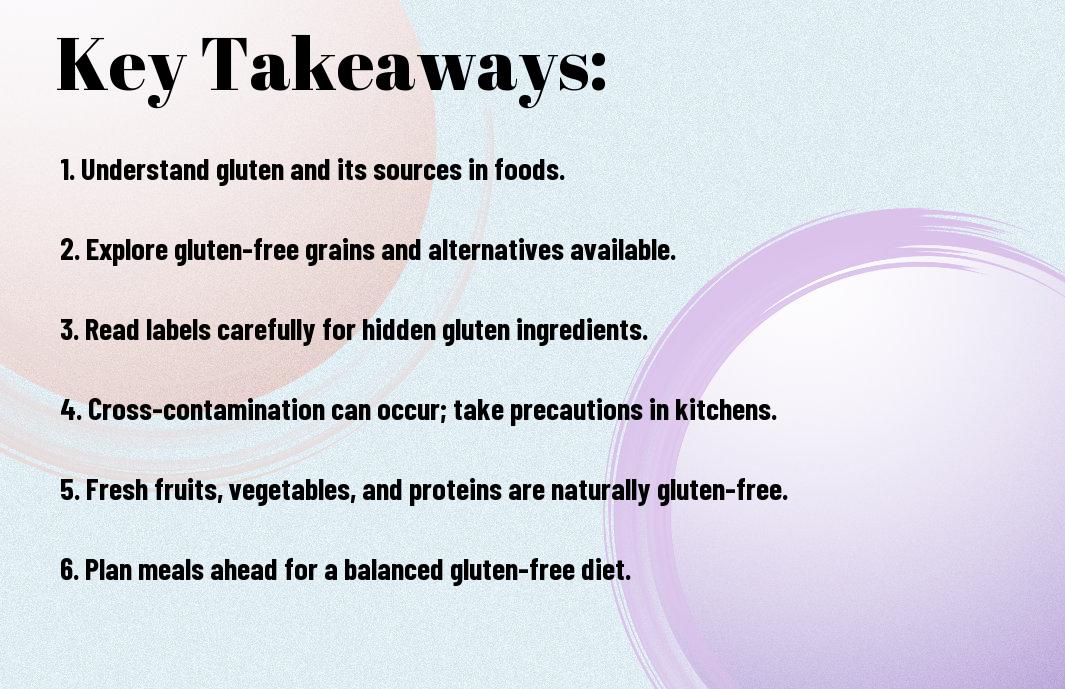
Congratulations, friend! You've reached the end of this ultimate guide to gluten-free eating. We’ve covered everything from understanding gluten and its impact to navigating grocery stores, cooking delicious meals, and socializing with confidence. The core of this guide is that embracing a gluten-free lifestyle can be empowering. It's about taking control of your health, discovering new foods, and feeling your best self.
Now, it's time to put this knowledge into action! I challenge you to try one new gluten-free recipe this week or explore a local restaurant with gluten-free options. Start small, be patient with yourself, and celebrate your progress along the way. You have a lot to gain by adopting this life change.
Remember, going gluten-free is not about deprivation; it’s about discovery. It’s about finding what works best for your body and creating a lifestyle that supports your health and well-being. So, are you ready to unlock a world of delicious possibilities and feel amazing?

Post a Comment for "The Ultimate Guide to Gluten-Free Eating"
Post a Comment