The Importance of Proper Form: Preventing Injuries During Exercise
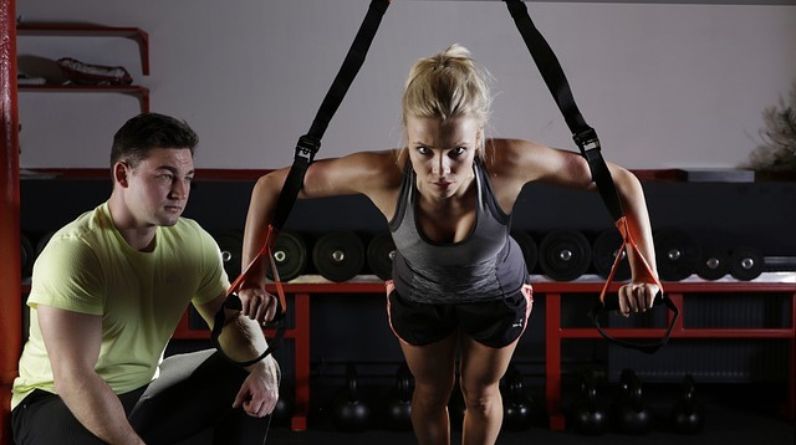
Unlock Your Potential: Mastering Form for Injury-Free Workouts
Hey there, fitness enthusiasts! Ever felt that twinge in your lower back after a set of squats, or maybe a sharp pain in your shoulder during a bench press? We've all been there. You're pumped, ready to crush your workout, and BAM! Your body decides to stage a mini-rebellion. It’s frustrating, right? It's like your body is saying, "Hold up, partner! We need to talk… about your form!"
We live in a world obsessed with results. We see those incredible before-and-after photos, the fitness influencers lifting mountains of weight, and we think, "I want that!" So, we jump in, often pushing ourselves too hard, too fast, and with less-than-stellar technique. Let’s face it, sometimes we’re so focused on the weight, the reps, and the burn that we completely forget about the most crucial element of any exercise: proper form.
Think of it like this: you wouldn't try to assemble that complicated IKEA furniture without the instructions, would you? (Okay, maybe you would, but we all know how that usually ends… with extra screws and a slightly wobbly table). Similarly, you can't expect your body to perform complex movements safely and effectively without understanding the proper form.
Ignoring proper form is like driving a car with misaligned wheels. Sure, you might get to your destination, but you’ll be fighting the steering wheel the whole way, burning extra fuel, and causing unnecessary wear and tear on your vehicle. Your body is the same! Bad form puts undue stress on your joints, muscles, and ligaments, increasing your risk of injury and hindering your progress in the long run.
But fear not, my friends! This isn’t a lecture about all the things you're doing wrong. It’s a guide to help you unlock your full potential and achieve your fitness goals safely and effectively. We're going to dive deep into why proper form is so important, how to identify and correct common mistakes, and how to build a foundation for a lifetime of injury-free workouts. Are you ready to transform your workouts and protect your body? Keep reading – it’s time to get your form on point!
The Cornerstone of Safe and Effective Exercise: Proper Form
Proper form isn't just some nitpicky detail that fitness gurus obsess over; it's the foundation upon which all safe and effective exercise is built. Think of it as the architectural blueprint for your workout. Without it, the whole structure can crumble, leaving you with pain, injuries, and frustration.
• Reduced Risk of Injury: This is the big one, friends. Improper form is a leading cause of exercise-related injuries. When you use correct technique, you distribute the load properly across your muscles and joints, minimizing stress and strain. Think of a squat: keeping your back straight, chest up, and knees behind your toes ensures that your glutes and quads are doing the work, rather than your lower back and knees. Ignoring these cues can lead to back pain, knee injuries, and a host of other problems. We don’t want that, do we?
• Increased Muscle Activation: Proper form allows you to target the intended muscles more effectively. Imagine doing bicep curls with sloppy form, swinging your arms and using momentum to lift the weight. Sure, your biceps are involved, but so are your shoulders, back, and even your legs! By focusing on strict form – keeping your elbows locked, squeezing your biceps at the top of the movement, and controlling the weight throughout the entire range of motion – you'll maximize muscle activation and get a much better workout. This means better results in less time.
• Improved Performance: When you’re not fighting your body’s mechanics, you can lift heavier weights, perform more reps, and push yourself harder without increasing your risk of injury. Proper form allows you to move more efficiently and powerfully, leading to improved performance in all aspects of your fitness routine. It's like upgrading from a rusty old bicycle to a high-performance road bike – suddenly, those hills don't seem so daunting anymore.
• Long-Term Joint Health: Years of improper form can take a toll on your joints, leading to chronic pain and even arthritis. By prioritizing proper form, you're investing in the long-term health of your joints and ensuring that you can continue to enjoy your favorite activities for years to come. Think of it as preventative maintenance for your body – a little effort now can save you a lot of pain and suffering down the road.
• Enhanced Mind-Muscle Connection: Proper form requires focus and concentration, which helps to strengthen the mind-muscle connection. This is the ability to consciously control and activate specific muscles during exercise. When you're truly connected to your muscles, you can feel them working, engage them more effectively, and get a deeper, more satisfying workout. It’s like learning to play a musical instrument – with practice and focus, you can develop a greater level of control and mastery over your body.
Common Form Mistakes and How to Fix Them
Now that we understand why proper form is so important, let's take a look at some common mistakes that people make and how to correct them. We’ll cover some popular exercises, but remember, these principles apply to just about every movement you do in the gym.
• Squats:
The Mistake: Rounding the back, letting the knees cave in, not going deep enough.
The Fix: Maintain a straight back with a slight arch in the lower back. Keep your chest up and your core engaged. Ensure your knees track over your toes and don't cave inward. Aim to squat until your hip crease is below your knees (or as deep as your mobility allows while maintaining good form). Imagine sitting back into a chair.
Real-Life Example: Think of trying to pick something up from the floor. You wouldn’t bend straight over, would you? You’d squat down to keep your back safe.
• Push-Ups:
The Mistake: Sagging hips, flared elbows, not going low enough.
The Fix: Maintain a straight line from head to heels (or knees if you're doing them on your knees). Keep your elbows tucked in close to your body. Lower yourself until your chest touches the floor (or as low as you can while maintaining good form). Engage your core and squeeze your glutes to maintain stability.
Real-Life Example: Imagine you're a plank, but you’re moving up and down. Keep that plank straight and strong!
• Plank:
The Mistake: Sagging hips, head drooping, holding your breath.
The Fix: Maintain a straight line from head to heels (or knees). Engage your core, squeeze your glutes, and keep your shoulders over your elbows. Look at the floor a few inches in front of your hands to keep your neck neutral. Breathe deeply and evenly throughout the exercise.
Real-Life Example: Pretend you’re a wooden board. Stiff, straight, and unwavering.
• Deadlifts:
The Mistake: Rounding the back, jerking the weight, not engaging the glutes.
The Fix: Start with your feet hip-width apart and the bar close to your shins. Maintain a straight back with a slight arch in the lower back. Hinge at your hips, keeping your chest up and your shoulders back. Lift the weight by driving through your heels and squeezing your glutes at the top of the movement. Lower the weight slowly and under control, maintaining a straight back throughout the entire range of motion.
Real-Life Example: Think about lifting a heavy box. You wouldn't just bend over and yank it up, would you? You'd get a good grip, keep your back straight, and lift with your legs.
• Overhead Press:
The Mistake: Arching the back, using momentum, not controlling the weight.
The Fix: Stand with your feet shoulder-width apart and your core engaged. Press the weight overhead in a straight line, keeping your wrists straight and your elbows locked out at the top of the movement. Avoid arching your back excessively. Lower the weight slowly and under control, maintaining good posture throughout the entire range of motion.
Real-Life Example: Imagine you’re pressing a weight up to the ceiling. You need a solid base and controlled movement to get it there safely.
Tips for Mastering Proper Form
So, how do you actually improve your form and make sure you’re performing exercises safely and effectively? Here are a few tips to get you started.
• Start with Bodyweight Exercises: Before you start adding weight to your exercises, master the proper form with bodyweight exercises. This will help you develop the necessary strength, stability, and coordination to perform the movements safely and effectively. Things like squats, push-ups, planks, and lunges are great starting points.
• Use a Mirror or Record Yourself: One of the best ways to identify form mistakes is to watch yourself in a mirror or record yourself performing the exercises. This will allow you to see what you're doing and make corrections as needed. Don’t be afraid to look a little silly – everyone starts somewhere!
• Work with a Qualified Trainer: If you're serious about improving your form, consider working with a qualified personal trainer. A good trainer can assess your form, identify areas for improvement, and provide personalized guidance and feedback. They can also help you design a workout program that is tailored to your individual needs and goals.
• Focus on the Eccentric Phase: The eccentric phase of an exercise is the lowering or negative portion of the movement. Controlling the weight during the eccentric phase can help you improve your strength, stability, and muscle activation. Plus, it forces you to slow down and really focus on your form.
• Don't Be Afraid to Reduce the Weight: It's better to lift less weight with good form than to lift more weight with bad form. If you find yourself struggling to maintain proper form, don't be afraid to reduce the weight. Your ego might take a hit, but your body will thank you in the long run.
• Listen to Your Body: Pay attention to your body and stop if you feel any pain. Pain is a sign that something is wrong, and it's important to address it before it leads to a more serious injury. Don't try to push through the pain – it's not worth it!
• Warm Up Properly: A proper warm-up prepares your body for exercise by increasing blood flow to your muscles, improving joint mobility, and activating your nervous system. This can help to reduce your risk of injury and improve your performance. Include dynamic stretches like arm circles, leg swings, and torso twists in your warm-up.
• Cool Down and Stretch: A cool-down helps your body recover from exercise by gradually lowering your heart rate and blood pressure. Stretching after your workout can help to improve your flexibility and reduce muscle soreness. Hold each stretch for 30 seconds and focus on relaxing your muscles.
• Be Patient and Persistent: Mastering proper form takes time and practice. Don't get discouraged if you don't see results immediately. Just keep practicing and focusing on the fundamentals, and you'll eventually get there. Remember, consistency is key!
Frequently Asked Questions
Let’s address some common questions you might have about proper form and injury prevention.
• Q: How do I know if I’m using proper form?
A: The best way is to record yourself or work with a qualified trainer. Pay attention to the cues we discussed earlier for each exercise. If you feel any pain, stop and reassess your form.
• Q: What if I have an existing injury?
A: Consult with a physical therapist or doctor before starting any exercise program. They can help you identify exercises that are safe for you and provide modifications as needed.
• Q: How important is rest and recovery?
A: Rest and recovery are crucial for preventing injuries. Your muscles need time to repair and rebuild after exercise. Aim for at least 7-8 hours of sleep per night and incorporate rest days into your workout schedule.
• Q: What about supplements? Can they help prevent injuries?
A: While some supplements may support joint health and muscle recovery, they are not a substitute for proper form, adequate rest, and a balanced diet. Focus on the fundamentals first and consult with a healthcare professional before taking any supplements.
The Path to a Stronger, Healthier You
We've covered a lot of ground today, friends! We've explored the importance of proper form, identified common mistakes, and discussed practical tips for improving your technique. Remember, proper form is not just about preventing injuries; it's about maximizing your results, improving your performance, and building a foundation for a lifetime of fitness.
It's time to take action! Grab your phone, record yourself doing a few basic exercises, and honestly assess your form. Identify one or two areas where you can improve and start focusing on those areas during your next workout. Consider working with a qualified trainer for personalized guidance and feedback.
The journey to a stronger, healthier you is a marathon, not a sprint. Be patient with yourself, celebrate your progress, and never stop learning. You have the power to transform your body and your life. Now go out there and make it happen! Are you ready to commit to proper form and unlock your full potential?

Post a Comment for "The Importance of Proper Form: Preventing Injuries During Exercise"
Post a Comment