The Importance of Proper Form: Preventing Injuries During Exercise
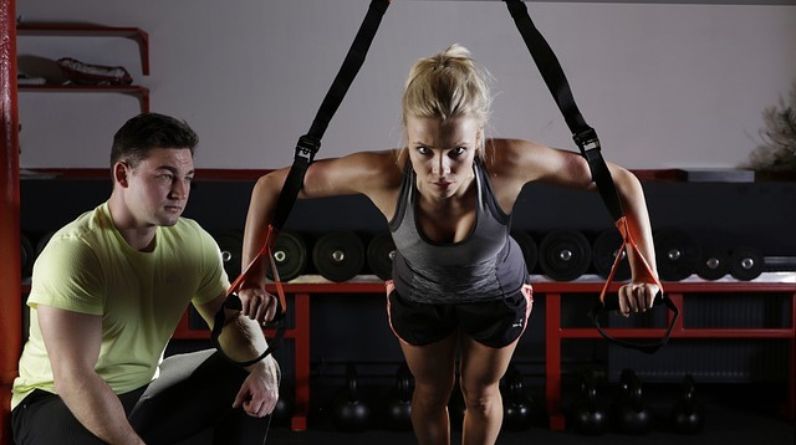
Unlock Your Potential: Mastering Form for Injury-Free Workouts
Hey there, fitness friends! Ever felt that twinge in your back lifting groceries? Or that nagging pain in your knee after a "casual" jog? We’ve all been there. Life throws enough curveballs our way without our workouts turning into sources of aches and pains. Let's be honest, nobody wants to spend more time icing injuries than crushing goals.
We live in a world obsessed with instant results. We see the perfectly sculpted bodies on Instagram and feel pressured to push ourselves harder, lift heavier, and run faster, often neglecting the foundation of safe and effective exercise: proper form. Imagine building a skyscraper on a shaky foundation. Sounds disastrous, right? The same principle applies to our bodies. Without the right technique, we're essentially building a house of cards destined to collapse under pressure.
Think about it: how many times have you watched a You Tube tutorial promising ripped abs in just two weeks? Or seen someone at the gym loading up the bench press with a weight that seems, well, a little ambitious? While the enthusiasm is admirable, rushing into things without mastering the basics is a recipe for disaster. It's like trying to play Beethoven's Fifth Symphony after only learning how to play "Hot Cross Buns" on the recorder. You might hit some notes, but it's not going to sound pretty, and you're probably going to hurt your fingers in the process.
The truth is, proper form isn’t just about looking good; it’s about protecting your body from unnecessary stress and strain. It's the difference between sculpting a masterpiece and creating a mangled mess. It ensures that the right muscles are doing the work, minimizing the risk of injury and maximizing the effectiveness of your workouts. It allows you to progressively overload and challenge yourself without breaking down.
So, how do we bridge the gap between wanting results and protecting our bodies? How do we navigate the sea of fitness information and identify the techniques that will actually keep us healthy and strong? The answer, my friends, lies in understanding the importance of proper form and making it a non-negotiable part of our fitness journey.
Ready to unlock the secrets to injury-free workouts and finally achieve the results you deserve? Keep reading, because we're about to dive deep into the world of proper form and discover how it can transform your fitness journey from a potential minefield into a path of sustainable success.
The Foundation of Fitness: Mastering Proper Form
Alright, let's get down to brass tacks. What exactlyisproper form, and why is it so darn important? At its core, proper form refers to the correct alignment and execution of a movement during exercise. It involves engaging the right muscles, maintaining a stable posture, and controlling the range of motion. Think of it as the blueprint for a perfect rep.
But before we dive into specifics, let’s establish a fundamental truth: Every body is different. What works perfectly for your super-flexible yoga instructor might not be ideal for you. Modifications are often necessary, and listening to your body is paramount. If something feels genuinely painful (not just challenging), stop! Don't be a hero. There’s no award for pushing through debilitating pain.
Now, let's explore key principles and practical strategies for mastering proper form across different exercises. We’re going to break it down into digestible chunks, so you can start implementing these techniques today.
• Understanding Core Engagement: The Unsung Hero
Your core is more than just your abs; it's the foundation of almost every movement you make. A strong and stable core protects your spine, improves balance, and enhances power. Think of it as the conductor of your body’s orchestra. Without a skilled conductor, the music falls apart.
How to engage your core properly:
• Imagine bracing for a punch to the stomach. That's the feeling you want to cultivate during exercises.
• Keep your spine neutral. Avoid excessive arching or rounding of your back.
• Breathe deeply and consistently. Holding your breath increases intra-abdominal pressure and can lead to injury.
• Think about drawing your navel towards your spine. This helps activate the deeper core muscles.
Real-life Example: Squats. A weak core during squats can lead to lower back pain and instability. Activating your core helps maintain a neutral spine and distributes the weight evenly.
• Mastering Movement Patterns: The Building Blocks of Exercise
Many exercises can be categorized into fundamental movement patterns: squatting, hinging, pushing, pulling, and carrying. Mastering these patterns is crucial for building a solid foundation and preventing injuries.
Squatting:
• Keep your feet shoulder-width apart with your toes slightly pointed outwards.
• Maintain a neutral spine and engage your core.
• Lower your hips as if sitting back into a chair, keeping your chest up.
• Ensure your knees track over your toes. Avoid letting them cave inwards.
Hinging (e.g., Deadlifts, Good Mornings):
• Keep your back straight and hinge at your hips, pushing your glutes back.
• Maintain a slight bend in your knees.
• Engage your hamstrings and glutes to return to the starting position.
Pushing (e.g., Push-ups, Bench Press):
• Maintain a neutral spine and engage your core.
• Lower your body until your chest touches the ground (or as far as your mobility allows).
• Push back up by engaging your chest, shoulders, and triceps.
Pulling (e.g., Pull-ups, Rows):
• Keep your core engaged and your back straight.
• Pull the weight towards you by engaging your back muscles.
• Avoid using momentum or jerking movements.
Carrying (e.g., Farmer's Walks, Suitcase Carries):
• Maintain a tall, upright posture with your core engaged.
• Keep your shoulders back and down.
• Walk with controlled steps, avoiding excessive swaying.
Expert Perspective: Certified Strength and Conditioning Specialist (CSCS) Jane Doe emphasizes, “Focus on mastering the fundamental movement patterns before adding weight or increasing intensity. Proper form is the key to unlocking your potential and preventing injuries.”
• The Importance of Range of Motion: Finding Your Sweet Spot
Range of motion (ROM) refers to the distance a joint can move through its full potential. While maximizing ROM is often desirable, it's crucial to respect your body's limitations and avoid pushing beyond what's safe and comfortable. In other words, don't try to be Gumby if you're built like a brick wall.
How to optimize your ROM:
• Gradually increase your ROM over time through consistent stretching and mobility work.
• Avoid forcing movements or pushing through pain.
• Focus on controlled movements throughout the entire ROM.
• Modify exercises if necessary to accommodate your individual limitations.
Real-life Example: Overhead Press. Forcing your arms into a full overhead position without adequate shoulder mobility can lead to shoulder impingement. Gradually improve your ROM through stretches and mobility exercises.
• The Power of Visualization and Mental Imagery: Seeing is Believing
Believe it or not, mental imagery can significantly improve your form. By visualizing yourself performing an exercise with perfect technique, you can prime your nervous system and enhance muscle activation. It’s like rehearsing a play in your mind before stepping onto the stage.
How to use visualization effectively:
• Close your eyes and imagine yourself performing the exercise with perfect form.
• Focus on the specific muscles you should be engaging.
• Visualize the correct alignment and movement patterns.
• Practice visualization regularly before and during your workouts.
• The Role of Feedback and Self-Assessment: Becoming Your Own Coach
Learning to self-assess your form is a valuable skill. It allows you to identify and correct errors in real-time, preventing bad habits from forming and minimizing the risk of injury. Think of yourself as your own personal quality control manager.
How to become your own coach:
• Use a mirror to observe your form from different angles.
• Record yourself performing exercises and analyze your technique.
• Pay attention to how your body feels during the exercise.
• Seek feedback from a qualified coach or trainer.
Current Trend: Wearable technology like fitness trackers and smart clothing is becoming increasingly sophisticated, providing real-time feedback on your form and movement patterns.
• Active Recovery and Injury Prevention: The Long Game
Proper form is only one piece of the puzzle. Active recovery, including stretching, foam rolling, and light cardio, is essential for preventing injuries and promoting recovery. It's like giving your muscles a well-deserved spa day.
How to incorporate active recovery:
• Include dynamic stretching before your workouts to prepare your muscles for activity.
• Perform static stretching after your workouts to improve flexibility and reduce muscle soreness.
• Use a foam roller to release muscle tension and improve circulation.
• Engage in light cardio activities like walking or cycling on your rest days.
Realistic Future Prediction: Personalized recovery plans based on individual needs and biomarkers will become increasingly common, optimizing recovery and preventing injuries.
• Listen to Your Body: Your Internal Guidance System
Above all else, listen to your body. Pain is a signal that something is wrong. Don't ignore it. Modify your exercises, reduce the weight, or take a break if needed. Your body is your best teacher. Don't argue with it.
FAQ: Your Questions Answered
Let’s tackle some common questions about proper form.
Q1: How do I know if I'm using proper form?
A: The best way is to seek guidance from a qualified fitness professional. They can assess your movement patterns and provide personalized feedback. Also, pay attention to how your body feels. If you experience pain or discomfort, stop and re-evaluate your technique.
Q2: What if I can't perform an exercise with perfect form?
A: That's perfectly okay! Start with easier variations of the exercise or modify the range of motion. As your strength and mobility improve, you can gradually progress to more challenging variations.
Q3: How often should I focus on my form?
A: Always! Proper form should be a priority every time you exercise. Make it a habit to consciously focus on your technique, even during familiar exercises.
Q4: Is it ever okay to sacrifice form for weight or reps?
A: Absolutely not! Sacrificing form increases the risk of injury and reduces the effectiveness of the exercise. Always prioritize proper technique over weight or reps.
Conclusion: Your Journey to Injury-Free Fitness Starts Now
We've covered a lot of ground, friends! From understanding core engagement to mastering movement patterns and listening to your body, you now have the knowledge and tools to prioritize proper form in your workouts. Remember, this isn't a sprint; it's a marathon. Mastering proper form takes time, patience, and consistent effort. But the rewards are well worth it: reduced risk of injury, increased strength and power, and a lifetime of enjoyable, sustainable fitness.
The key takeaways are:
• Proper form is the foundation of safe and effective exercise.
• Engage your core, master movement patterns, and respect your range of motion.
• Use visualization, self-assessment, and active recovery to optimize your form.
• Always listen to your body and prioritize proper technique over weight or reps.
Now it's your turn to put this knowledge into action. Start by focusing on one or two exercises and consciously apply the principles we've discussed. Record yourself, seek feedback, and celebrate your progress along the way. Remember, every journey begins with a single step, and every perfect rep builds a stronger, healthier you.
Your Call to Action: Schedule a session with a qualified fitness professional to assess your form and develop a personalized training plan. Invest in your health and well-being, and unlock your full fitness potential.
Remember, fitness is a journey, not a destination. Embrace the process, celebrate your progress, and never stop learning. Are you ready to make proper form a non-negotiable part of your fitness journey? Let's do this!

Post a Comment for "The Importance of Proper Form: Preventing Injuries During Exercise"
Post a Comment