The Benefits of Antioxidants: Protecting Your Body from Free Radicals
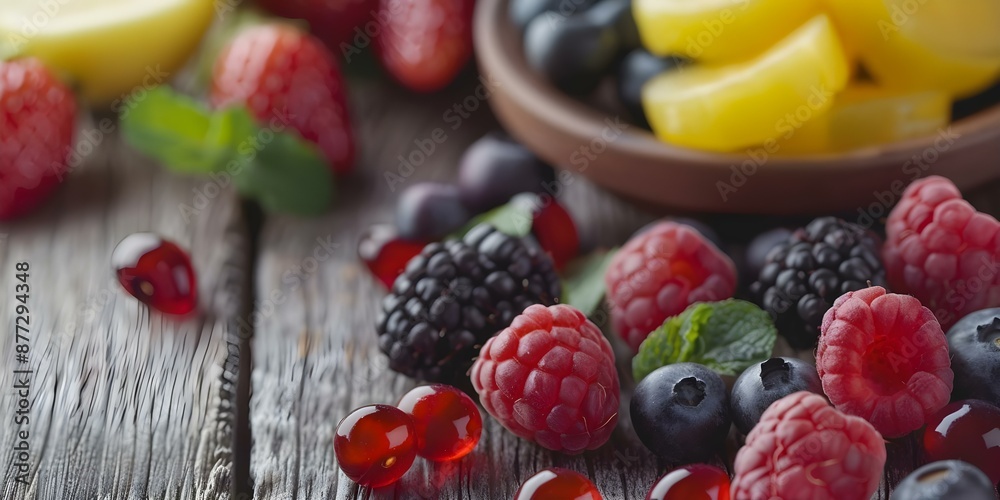
Unlocking the Power of Antioxidants: Your Shield Against Free Radicals
Hey friends! Ever feel like you're battling an invisible enemy, something that's constantly trying to wear you down? Well, you're not entirely wrong! Enter the world of free radicals – tiny, unstable molecules that can wreak havoc on your cells, leading to everything from premature aging to serious health issues. Think of them as the mischievous gremlins of your body, constantly causing trouble. Now, before you start panicking, there's good news! We have a secret weapon: antioxidants. These amazing compounds are like the superheroes of our cells, swooping in to neutralize those pesky free radicals and protect us from their damaging effects. Intrigued? Ready to learn how to become an antioxidant avenger? Keep reading, because we're about to dive deep into the incredible world of antioxidants and how they can help you live a healthier, more vibrant life!
We're constantly bombarded by things that can cause our bodies harm. Pollution, stress, processed foods – it's a never-ending assault! But our bodies are incredibly resilient, and one of the key reasons for that is the presence of antioxidants. Let's break down why these little guys are so important. Get ready to know more about how to naturally protect yourself.
The Science Behind the Shield: Understanding Free Radicals and Oxidative Stress
Before we can truly appreciate the power of antioxidants, we need to understand their nemesis: free radicals. These molecules are produced as a natural byproduct of our metabolism and energy production. Think of it like the exhaust fumes from a car engine – it's part of the process, but not necessarily good for the environment. When everything's in balance, our bodies can handle these free radicals. However, when we're exposed to excessive amounts of environmental toxins, stress, and unhealthy habits, the production of free radicals can skyrocket, leading to a condition called oxidative stress.
Oxidative stress is like a cellular civil war, where free radicals are constantly attacking our cells, damaging their DNA, proteins, and cell membranes. Over time, this damage can accumulate and contribute to a wide range of health problems, including:
• Premature aging: Those wrinkles, age spots, and loss of skin elasticity? Oxidative stress is a major culprit.
• Chronic diseases: Heart disease, cancer, Alzheimer's disease, and arthritis have all been linked to chronic oxidative stress.
• Weakened immune system: Free radicals can impair the function of immune cells, making us more susceptible to infections.
• Inflammation: Oxidative stress can trigger chronic inflammation throughout the body, contributing to a variety of health issues.
Now that we understand the problem, let's talk about the solution! Antioxidants are the key to neutralizing free radicals and reducing oxidative stress.
Antioxidants: Nature's Powerful Protectors
Antioxidants are substances that can prevent or slow damage to cells caused by free radicals. They work by donating electrons to these unstable molecules, stabilizing them and preventing them from attacking our cells. Think of them as the peacemakers of the cellular world, diffusing conflicts before they escalate.
There are hundreds of different types of antioxidants, each with its own unique properties and benefits. Some of the most well-known and powerful antioxidants include:
• Vitamin C: This water-soluble vitamin is a potent antioxidant that supports immune function, collagen production, and wound healing. It's found in citrus fruits, berries, and leafy green vegetables.
• Vitamin E: This fat-soluble vitamin protects cell membranes from damage and supports healthy skin and vision. Good sources include nuts, seeds, and vegetable oils.
• Beta-carotene: This antioxidant is a precursor to vitamin A and is found in orange and yellow fruits and vegetables like carrots, sweet potatoes, and mangoes. It's important for vision, immune function, and cell growth.
• Selenium: This essential mineral is a component of several antioxidant enzymes and plays a role in thyroid function and immune health. Good sources include Brazil nuts, seafood, and whole grains.
• Flavonoids: This large group of plant compounds is found in fruits, vegetables, tea, and chocolate and has a wide range of antioxidant and anti-inflammatory properties. Examples include quercetin, rutin, and anthocyanins.
Boosting Your Antioxidant Intake: A Practical Guide
Okay, so we know that antioxidants are essential for protecting our health. But how can we ensure that we're getting enough of them? The good news is that it's easier than you might think! Here are some simple and practical ways to boost your antioxidant intake:
• Eat a colorful diet: The vibrant colors of fruits and vegetables are a sign of their high antioxidant content. Aim to include a variety of colorful produce in your diet, such as berries, leafy greens, bell peppers, and sweet potatoes. The more color, the merrier!
• Choose whole, unprocessed foods: Processed foods are often stripped of their nutrients, including antioxidants. Opt for whole, unprocessed foods like fruits, vegetables, whole grains, and lean protein sources.
• Snack smart: Instead of reaching for processed snacks like chips and candy, choose antioxidant-rich options like berries, nuts, and seeds. A handful of blueberries or a small serving of almonds can provide a significant antioxidant boost.
• Drink antioxidant-rich beverages: Green tea, pomegranate juice, and red wine (in moderation) are all excellent sources of antioxidants. Just be mindful of added sugars and alcohol content.
• Consider supplements: While it's always best to get your nutrients from whole foods, supplements can be a helpful way to fill in any gaps in your diet. If you're considering taking antioxidant supplements, talk to your doctor or a registered dietitian to determine the right dosage and type for your individual needs.
Beyond the Basics: Advanced Strategies for Antioxidant Optimization
Once you've mastered the basics of antioxidant intake, you can explore more advanced strategies to further optimize your antioxidant defenses. Here are a few ideas to consider:
• Reduce your exposure to toxins: Minimize your exposure to environmental toxins like pollution, cigarette smoke, and pesticides. These toxins can increase free radical production and deplete your antioxidant reserves.
• Manage stress: Chronic stress can contribute to oxidative stress. Practice stress-reducing activities like yoga, meditation, or spending time in nature. Even just a few minutes of deep breathing each day can make a difference.
• Get enough sleep: Sleep is essential for cellular repair and regeneration. Aim for 7-8 hours of quality sleep each night to support your body's natural antioxidant defenses.
• Exercise regularly: Regular physical activity can boost your body's antioxidant capacity and improve overall health. However, be careful not to overtrain, as excessive exercise can also increase free radical production.
• Consider specific antioxidants for specific needs: Different antioxidants have different properties and may be more effective for certain health conditions. For example, curcumin, the active compound in turmeric, has potent anti-inflammatory properties and may be beneficial for people with arthritis.
Real-World Examples: Antioxidants in Action
To further illustrate the power of antioxidants, let's look at some real-world examples of how they can impact our health:
• Protecting your heart: Studies have shown that diets rich in antioxidants, such as the Mediterranean diet, can reduce the risk of heart disease by protecting against oxidative damage to cholesterol and blood vessels.
• Boosting brain health: Antioxidants can protect brain cells from damage and may help to prevent cognitive decline and Alzheimer's disease. Berries, in particular, have been shown to have beneficial effects on brain function.
• Fighting cancer: Some antioxidants, such as lycopene in tomatoes, have been linked to a reduced risk of certain types of cancer. Antioxidants can help to protect DNA from damage and prevent the growth of cancerous cells.
• Improving skin health: Antioxidants can protect the skin from sun damage and premature aging. Vitamin C, in particular, is essential for collagen production and maintaining skin elasticity.
Expert Perspectives: What the Science Says
The scientific evidence supporting the benefits of antioxidants is vast and growing. Numerous studies have shown that antioxidants can play a crucial role in preventing chronic diseases, promoting healthy aging, and improving overall well-being. Leading health organizations, such as the American Heart Association and the American Cancer Society, recommend consuming a diet rich in fruits and vegetables to ensure adequate antioxidant intake.
However, it's important to note that the research on antioxidant supplements is mixed. While some studies have shown benefits, others have found no effect or even potential harm. It's crucial to talk to your doctor before taking any antioxidant supplements, as they can interact with certain medications and may not be appropriate for everyone.
Future Trends: The Exciting World of Antioxidant Research
The field of antioxidant research is constantly evolving, with new discoveries being made all the time. Some of the most exciting areas of research include:
• Developing new and more potent antioxidants: Scientists are working to identify and synthesize new antioxidants that are more effective at neutralizing free radicals and protecting against oxidative stress.
• Understanding the role of antioxidants in specific diseases: Researchers are investigating the role of antioxidants in the prevention and treatment of various diseases, including cancer, heart disease, and Alzheimer's disease.
• Personalized antioxidant strategies: As our understanding of genetics and individual needs grows, we may be able to develop personalized antioxidant strategies that are tailored to each person's unique risk factors and health goals.
Important questions that are often asked:
Friends, here are some important questions people usually ask about antioxidants.
• Q: Can I get enough antioxidants from food alone, or do I need to take supplements?
• A: For most people, a diet rich in fruits, vegetables, and whole grains should provide enough antioxidants. Supplements can be helpful if you have specific deficiencies or health conditions, but it's always best to talk to your doctor first.
• Q: Are there any risks associated with taking antioxidant supplements?
• A: Yes, high doses of certain antioxidant supplements can interfere with medications or have other adverse effects. It's important to follow the recommended dosage and talk to your doctor before taking any supplements.
• Q: What are some of the best antioxidant-rich foods to include in my diet?
• A: Berries, leafy greens, nuts, seeds, and colorful fruits and vegetables are all excellent sources of antioxidants. Aim to include a variety of these foods in your daily diet.
• Q: How can I measure my antioxidant levels?
• A: There are tests available to measure antioxidant levels in the blood, but they are not routinely performed. Your doctor can help you determine if testing is appropriate for you based on your individual health needs.
In conclusion, antioxidants are essential for protecting our bodies from the damaging effects of free radicals and oxidative stress. By incorporating antioxidant-rich foods into our diet, managing stress, and living a healthy lifestyle, we can boost our antioxidant defenses and promote optimal health. So, let's all become antioxidant avengers and fight back against those pesky free radicals! Are you ready to start boosting your antioxidant intake today? Remember, small changes can make a big difference!

Post a Comment for "The Benefits of Antioxidants: Protecting Your Body from Free Radicals"
Post a Comment