Healthy Fats vs. Unhealthy Fats: A Comprehensive Guide
Decoding Fats: Your Guide to Healthy Choices and a Happier You
Hey there, health enthusiasts! Ever feel like navigating the world of fats is like trying to solve a Rubik's cube blindfolded? You're not alone! We're constantly bombarded with messages about "good" fats and "bad" fats, leaving many of us scratching our heads, wondering if that avocado toast is actually a secret villain in disguise. But fear not, friends! This isn't about demonizing entire food groups or obsessing over every single gram of fat you consume. Instead, we're going to break down the science in a way that's easy to understand, relatable, and maybe even a little bit fun. Think of it as your friendly guide to making informed choices that support your overall well-being, without sacrificing flavor or sanity.
Let's be honest, fats have gotten a bad rap over the years. We've been told to fear them, avoid them, and choose "low-fat" options whenever possible. But here's the thing: fats are essential! They play crucial roles in everything from hormone production and brain function to nutrient absorption and keeping our skin healthy and glowing. The real issue isn't about eliminating fat altogether; it's about understanding the different types of fats and making smart choices about which ones we prioritize in our diet. Think of it like this: not all heroes wear capes, and not all fats are created equal. Some are your allies in the quest for a healthier you, while others... well, let's just say they're better left on the sidelines. So, are you ready to uncover the secrets of healthy fats and finally understand which fats to embrace and which to avoid? Let's dive in!
Understanding the Fatty Landscape
Okay, let's get into the nitty-gritty. The world of fats can seem complicated, but it's really just a matter of understanding a few key players. We're talking about saturated fats, unsaturated fats (which include monounsaturated and polyunsaturated fats), and trans fats. Each of these has a different chemical structure, which affects how our bodies process them. It's like understanding the different types of fuel for a car – some will keep you running smoothly, while others might cause a breakdown.
The Good Guys: Unsaturated Fats
Unsaturated fats are generally considered the "good guys" in the fat world. They're often liquid at room temperature and are found in a variety of plant-based foods. Think olive oil, avocados, nuts, and seeds. But even within the unsaturated fat family, there are distinctions to be made.
• Monounsaturated Fats: These fats are nutritional powerhouses. They are abundant in olive oil, avocados, and nuts like almonds and pecans. They're known for their ability to help lower "bad" LDL cholesterol levels, reducing the risk of heart disease. Imagine monounsaturated fats as the smooth operators, keeping your cardiovascular system running in tip-top shape. For example, replacing butter with olive oil when cooking can be a simple yet effective way to incorporate more monounsaturated fats into your diet. Picture drizzling olive oil on a salad for a Mediterranean flair or adding avocado slices to your morning toast – both delicious and heart-healthy choices.
A study published in the American Journal of Clinical Nutritionshowed that diets rich in monounsaturated fats can improve insulin sensitivity and blood sugar control, making them particularly beneficial for people with or at risk of type 2 diabetes. So, incorporating these fats isn't just about heart health; it's about overall metabolic health too.
• Polyunsaturated Fats: These fats are essential, meaning our bodies can't produce them, so we need to get them from our diet. The most well-known polyunsaturated fats are omega-3 and omega-6 fatty acids. These are vital for brain function, inflammation control, and overall health. Think of them as the body's internal diplomats, helping to maintain harmony and balance.
Omega-3 fatty acids, found in fatty fish like salmon, tuna, and mackerel, as well as flaxseeds, chia seeds, and walnuts, are particularly important. They've been shown to reduce inflammation, lower blood pressure, and improve cognitive function. A real-life example? Someone who regularly consumes fatty fish might experience fewer joint aches and improved mood. Omega-6 fatty acids, while also essential, are often over-consumed in the Western diet, so it's important to maintain a healthy balance between omega-3 and omega-6 intake. Sources include vegetable oils like corn and sunflower oil.
The Ones to Watch: Saturated Fats
Saturated fats are typically solid at room temperature and are found primarily in animal products like red meat, butter, and cheese, as well as some plant-based sources like coconut oil and palm oil. The debate around saturated fats is a bit more nuanced. For years, they were considered the enemy, linked to increased risk of heart disease. However, more recent research suggests that the picture is more complex.
• The Nuance of Saturated Fats: While it's true that saturated fats can raise "bad" LDL cholesterol levels, not all saturated fats are created equal. Some saturated fats, like those found in dairy products, may have a neutral or even beneficial effect on heart health. The key is moderation and context. Instead of completely eliminating saturated fats, focus on choosing lean sources of protein, limiting processed foods high in saturated fat, and balancing your diet with plenty of unsaturated fats.
Consider this: A study published in the European Journal of Clinical Nutritionfound that full-fat dairy consumption was not associated with an increased risk of cardiovascular disease. This highlights the importance of considering the food matrix – the overall nutrient profile of a food – rather than focusing solely on individual nutrients like saturated fat. It's also worth noting that cultural dietary patterns play a role. In some traditional cultures where saturated fat intake is high (like in certain Mediterranean regions), rates of heart disease are still relatively low, likely due to other factors like high intakes of fruits, vegetables, and olive oil.
The Avoid-at-All-Costs: Trans Fats
Trans fats are the villains of the fat world. They're primarily artificial fats created through a process called hydrogenation, which turns liquid oils into solid fats. Trans fats are often found in processed foods like fried foods, baked goods, and margarine. They raise "bad" LDL cholesterol levels and lower "good" HDL cholesterol levels, significantly increasing the risk of heart disease. Think of them as the saboteurs, actively working against your cardiovascular health.
• Eliminating Trans Fats: The good news is that many countries have banned or restricted the use of trans fats in food production. However, it's still important to be vigilant and read food labels carefully. Look for the words "partially hydrogenated oil" in the ingredient list, as this indicates the presence of trans fats. Your best bet is to avoid processed foods as much as possible and focus on whole, unprocessed foods. Imagine swapping that processed snack for a handful of nuts or a piece of fruit – a simple change that can make a big difference.
The impact of trans fats on public health is well-documented. Studies have shown a direct link between trans fat consumption and an increased risk of heart disease, stroke, and type 2 diabetes. Eliminating trans fats from your diet is one of the most impactful things you can do for your long-term health. Think of it as a proactive investment in your well-being.
Practical Tips for a Healthier Fat Intake
Now that we've covered the different types of fats, let's talk about how to put this knowledge into practice. It's not about perfection; it's about making sustainable changes that you can stick with over the long term. Here are some practical tips to get you started:
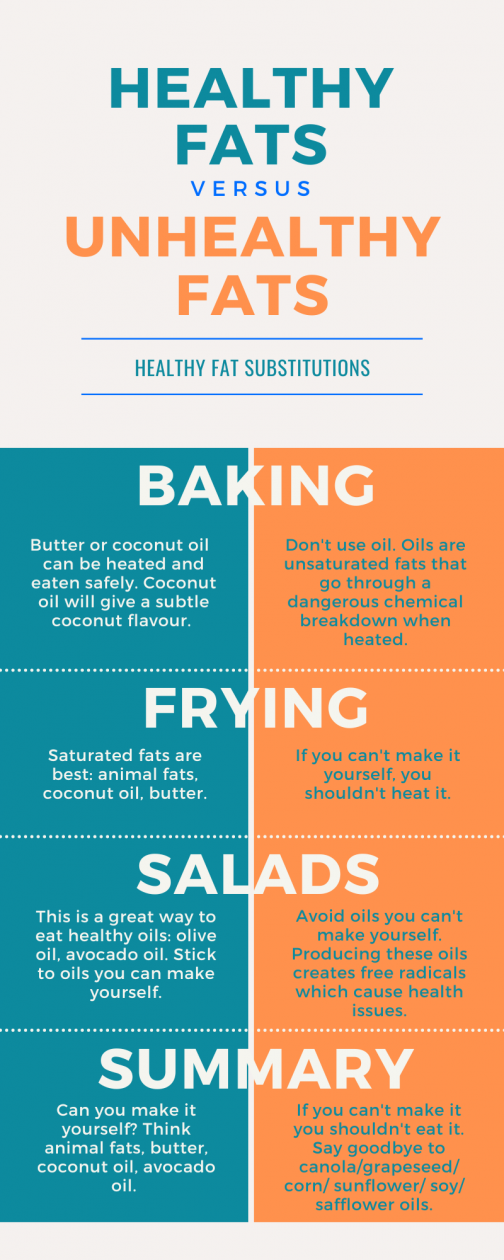
• Cook with Olive Oil: Swap out butter or vegetable oil for olive oil when cooking. Olive oil is rich in monounsaturated fats and antioxidants, making it a heart-healthy choice. Plus, it adds a delicious flavor to your dishes. Imagine sautéing vegetables in olive oil with a pinch of garlic – a simple and flavorful way to boost your healthy fat intake.
• Snack on Nuts and Seeds: Instead of reaching for processed snacks, grab a handful of nuts or seeds. Almonds, walnuts, chia seeds, and flaxseeds are all excellent sources of healthy fats, fiber, and protein. They're perfect for satisfying hunger between meals and providing a sustained energy boost. Picture having a small container of mixed nuts on your desk for a quick and healthy snack.
• Eat Fatty Fish Regularly: Aim to eat fatty fish like salmon, tuna, or mackerel at least twice a week. These fish are packed with omega-3 fatty acids, which are essential for brain health, heart health, and inflammation control. Think about grilling a salmon fillet with lemon and herbs for a delicious and nutritious meal.
• Choose Lean Protein Sources: Opt for lean cuts of meat like chicken breast or fish over fatty cuts of red meat. This will help you reduce your saturated fat intake without sacrificing protein. Imagine grilling chicken breast with a side of roasted vegetables for a balanced and healthy meal.
• Read Food Labels Carefully: Pay attention to the nutrition facts label and ingredient list when buying packaged foods. Look for hidden sources of saturated and trans fats, and choose products with lower amounts of these fats. This is especially important when buying processed foods like baked goods, snacks, and condiments.
• Limit Processed Foods: Processed foods are often high in unhealthy fats, added sugars, and sodium. Reducing your intake of processed foods can significantly improve your overall health and help you manage your weight. Focus on cooking meals at home using whole, unprocessed ingredients.
• Enjoy Avocados: Avocados are a fantastic source of monounsaturated fats, fiber, and vitamins. Add them to salads, sandwiches, or smoothies for a creamy and nutritious boost. Imagine making guacamole with fresh avocados, lime juice, and cilantro for a healthy and flavorful dip.
• Make Informed Choices When Eating Out: When dining out, be mindful of your fat intake. Ask about how dishes are prepared and choose options that are lower in saturated and trans fats. For example, opt for grilled or baked dishes over fried dishes, and ask for dressings and sauces on the side so you can control how much you use.
Addressing Common Concerns
It's natural to have questions and concerns about fats. Here are some answers to common queries:
•Will eating fat make me fat?This is a common misconception. While fats are calorie-dense, they don't automatically lead to weight gain. The key is moderation and choosing healthy fats over unhealthy fats. Excess calories from any source, including carbohydrates and protein, can contribute to weight gain.
•Is coconut oil healthy?Coconut oil is high in saturated fat, but some studies suggest that it may have some health benefits, such as raising "good" HDL cholesterol levels. However, more research is needed. It's best to use coconut oil in moderation as part of a balanced diet.
•How much fat should I eat each day?The amount of fat you need each day depends on your individual needs and goals. As a general guideline, aim for around 20-35% of your daily calories from fat. Focus on getting most of your fat from unsaturated sources.
•Are all vegetable oils unhealthy?Not all vegetable oils are unhealthy. Some vegetable oils, like olive oil and avocado oil, are rich in healthy unsaturated fats. However, other vegetable oils, like corn oil and soybean oil, are high in omega-6 fatty acids and should be consumed in moderation.
In Conclusion
We've journeyed through the landscape of fats, uncovering the heroes (unsaturated fats), the ones to watch (saturated fats), and the villains (trans fats). The key takeaway? It's not about eliminating fat altogether, but about making informed choices that support your health and well-being. Focus on incorporating plenty of unsaturated fats into your diet, being mindful of your saturated fat intake, and avoiding trans fats like the plague.
So, what's your next step? I challenge you to make one small change this week to improve your fat intake. Maybe it's swapping out your usual snack for a handful of nuts, cooking with olive oil instead of butter, or adding avocado to your lunch. Small changes can add up to big results over time. Remember, this isn't about perfection; it's about progress. Embrace the journey towards a healthier you, one delicious and nutritious bite at a time!
Are you ready to take control of your fat intake and unlock a healthier, happier you? What's one small change you're committed to making this week?

Post a Comment for "Healthy Fats vs. Unhealthy Fats: A Comprehensive Guide"
Post a Comment