10 Ways to Improve Your Mental Resilience
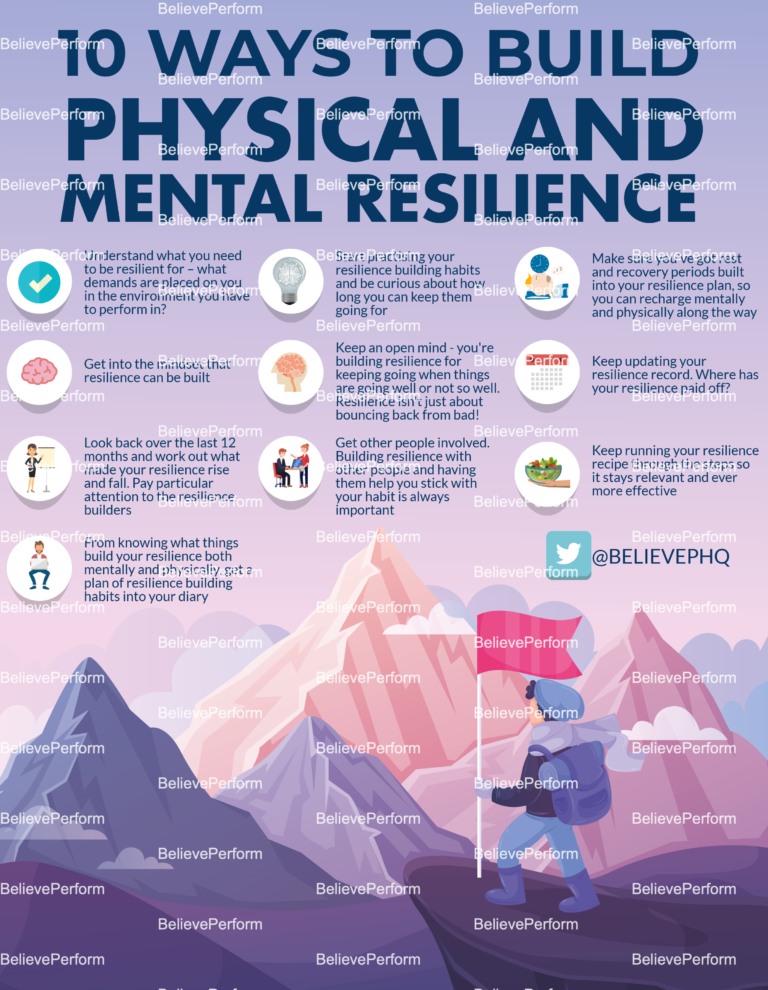
Step One:
10 Proven Ways to Supercharge Your Mental Resilience
Step Two:
Hey friends! Ever feel like life's just throwing one curveball after another? Deadlines piling up, relationships getting tricky, and that inner voice just won’t quit nagging? Yeah, we’ve all been there. It's like trying to juggle flaming chainsaws while riding a unicycle on a tightrope – stressful, to say the least!
Navigating the Storm: Why Mental Resilience Matters
So, what’s the secret to not just surviving, but actually thriving amidst the chaos? The answer, my friends, lies in mental resilience. Think of it as your brain's superpower – the ability to bounce back from setbacks, adapt to change, and keep your chin up even when things get tough. Without it, you’re basically a pinball in the arcade of life, getting bounced around with no control. But with it? You're the player, skillfully navigating the game and racking up those high scores!
But here’s the thing: mental resilience isn’t some magical trait you’re either born with or not. It’s more like a muscle – the more you work it, the stronger it gets. And just like any muscle, it needs the right kind of exercise.
Now, you might be thinking, "Okay, great, I need to be mentally resilient. But how? I'm already stressed just thinking about it!" Relax! It's not about becoming some unshakeable, emotionless robot. It's about learning to manage your thoughts and emotions in a healthy way, so you can face challenges with confidence and grace.
The Resilience Gap: Why We Struggle
In today's world, we're bombarded with constant stimulation and unrealistic expectations. Social media feeds are filled with curated perfection, making us feel like we’re constantly falling short. The 24/7 news cycle bombards us with negativity, and the pressure to achieve more, earn more, and be more is relentless. No wonder so many of us are feeling overwhelmed and burned out!
Think about it: How often do you compare yourself to others online? How many times have you scrolled through Instagram and felt a pang of envy or inadequacy? It's easy to get caught up in the highlight reel and forget that everyone is fighting their own battles behind the scenes.
And let's not forget the pressure we put on ourselves. We're constantly striving for perfection, setting unrealistic goals, and beating ourselves up when we don't meet them. We're so busy chasing the next achievement that we forget to appreciate the present moment and celebrate our successes along the way.
The result? A growing epidemic of stress, anxiety, and burnout. We're so focused on external validation that we neglect our internal well-being. We're so busy trying to keep up with the Joneses that we forget to take care of ourselves.
Building Your Mental Fortress: A Practical Approach
Fortunately, there's hope! Just like you can train your body to become stronger and more resilient, you can train your mind too. It takes time, effort, and a willingness to learn new skills, but the rewards are well worth it. Imagine being able to handle stressful situations with ease, bounce back from setbacks with grace, and maintain a positive outlook even when things get tough. That's the power of mental resilience.
And that’s where we come in. We're about to dive into 10 actionable strategies you can start using today to build your mental resilience and become the master of your own mind. We're not talking about fluff or empty platitudes. We're talking about practical, evidence-based techniques that have been proven to work.
Ready to unlock your inner superhero? Keep reading, because we’re about to arm you with the tools you need to conquer any challenge life throws your way. Trust us, your future self will thank you for it! So, buckle up, grab a cup of coffee (or tea, if that’s your thing), and let’s get started!
But before we jump in, let me ask you this: what if the key to a happier, more successful life was already within your grasp? What if all you needed were a few simple strategies to unlock your full potential and unleash your inner resilience? Intrigued? Then stick around, because we're about to reveal the secrets to a stronger, more resilient you. Get ready to transform your mindset and conquer your challenges!
Step Three:
10 Proven Ways to Supercharge Your Mental Resilience
Okay, friends, let’s get down to business. You’re ready to build that mental fortress, and we’re here to guide you. Remember, resilience isn’t about avoiding challenges; it’s about how you respond to them. These 10 strategies are your toolkit for navigating the ups and downs of life with grace and strength.
• Cultivate a Growth Mindset
Think of your brain like a muscle. The more you use it, the stronger it gets! A growth mindset is the belief that your abilities and intelligence can be developed through dedication and hard work. Instead of seeing challenges as threats, view them as opportunities to learn and grow.
- Fixed Mindset: "I'm just not good at this."
- Growth Mindset: "I can improve with practice and effort."
Example: Instead of saying "I can’t do this," try saying "I can’t do this YET." This simple shift in language can make a huge difference in your outlook. According to research by Stanford psychologist Carol Dweck, people with a growth mindset are more likely to persevere through challenges and achieve their goals.
• Practice Mindfulness and Meditation
In today’s fast-paced world, it’s easy to get caught up in the whirlwind of thoughts and emotions. Mindfulness and meditation are powerful tools for grounding yourself in the present moment and reducing stress.
Here’s how to start:
- Find a quiet space: Even just 5-10 minutes a day can make a difference.
- Focus on your breath: Notice the sensation of the air entering and leaving your body.
- Acknowledge your thoughts without judgment: When your mind wanders (and it will!), gently redirect your attention back to your breath.
Apps like Headspace and Calm offer guided meditations for beginners, making it even easier to incorporate mindfulness into your daily routine. Studies have shown that regular meditation can reduce anxiety, improve focus, and even boost your immune system.
• Build Strong Social Connections
We humans are social creatures, and strong social connections are essential for our mental well-being. Surrounding yourself with supportive friends and family can provide a buffer against stress and help you navigate difficult times.
Here’s how to strengthen your social connections:
- Make time for meaningful interactions: Put down your phone and truly connect with the people around you.
- Be a good listener: Show genuine interest in what others have to say.
- Offer support and encouragement: Be there for your friends and family when they need you.
Research has consistently shown that people with strong social connections are happier, healthier, and live longer. Loneliness and isolation, on the other hand, can have detrimental effects on both your mental and physical health.
• Cultivate Optimism
Optimism isn't about ignoring reality; it's about choosing to focus on the positive aspects of a situation and believing that things will eventually get better. Optimists tend to be more resilient because they're more likely to take action and persevere through challenges.
Here’s how to cultivate optimism:
- Practice gratitude: Take time each day to appreciate the good things in your life.
- Challenge negative thoughts: When you find yourself thinking negatively, ask yourself if there’s another way to look at the situation.
- Surround yourself with positive influences: Spend time with people who uplift and inspire you.
Studies have shown that optimism is linked to better physical health, increased longevity, and improved mental well-being.
• Practice Self-Care
Self-care isn’t selfish; it’s essential for maintaining your mental and physical health. When you prioritize self-care, you’re better equipped to handle stress and challenges.
Here are some self-care activities to try:
- Get enough sleep: Aim for 7-8 hours of quality sleep each night.
- Eat a healthy diet: Nourish your body with nutritious foods.
- Exercise regularly: Physical activity is a great stress reliever.
- Engage in hobbies you enjoy: Make time for activities that bring you joy and relaxation.
According to the American Psychological Association, self-care can help you manage stress, reduce your risk of illness, and increase your energy levels.
• Develop Problem-Solving Skills
Life is full of problems, but resilient people don’t let problems paralyze them. They develop effective problem-solving skills to tackle challenges head-on.
Here’s a simple problem-solving process:
- Identify the problem: Clearly define what you’re trying to solve.
- Brainstorm solutions: Generate a list of potential solutions, without judging them.
- Evaluate the solutions: Weigh the pros and cons of each solution.
- Choose a solution: Select the solution that you believe is most likely to be successful.
- Implement the solution: Take action and put your plan into motion.
- Evaluate the results: Assess whether your solution was effective. If not, try a different approach.
Developing strong problem-solving skills can empower you to take control of your life and overcome obstacles with confidence.
• Set Realistic Goals
Setting goals can give you a sense of purpose and direction, but it’s important to set realistic goals that you can actually achieve. Unrealistic goals can lead to frustration and disappointment, which can undermine your resilience.
Here are some tips for setting realistic goals:
- Make your goals specific: Instead of saying "I want to get in shape," say "I want to lose 10 pounds in the next three months."
- Make your goals measurable: Track your progress so you can see how far you’ve come.
- Make your goals achievable: Set goals that are challenging but not impossible.
- Make your goals relevant: Choose goals that align with your values and priorities.
- Make your goals time-bound: Set a deadline for achieving your goals.
By setting realistic goals and breaking them down into smaller, manageable steps, you can increase your chances of success and build your confidence along the way.
• Embrace Imperfection
Perfectionism is the enemy of resilience. When you strive for perfection, you set yourself up for disappointment and failure. Resilient people embrace imperfection and accept that mistakes are a natural part of life.
Here’s how to embrace imperfection:
- Challenge your perfectionistic thoughts: Ask yourself if your standards are realistic and helpful.
- Focus on progress, not perfection: Celebrate your accomplishments, no matter how small.
- Learn from your mistakes: View mistakes as opportunities to learn and grow.
Remember, nobody’s perfect. Embrace your flaws and imperfections, and focus on becoming the best version of yourself.
• Practice Gratitude
Gratitude is a powerful emotion that can boost your mood, improve your relationships, and increase your resilience. When you focus on what you’re grateful for, you shift your attention away from what’s lacking in your life.
Here are some ways to practice gratitude:
- Keep a gratitude journal: Write down things you’re grateful for each day.
- Express your gratitude to others: Tell people how much you appreciate them.
- Savor positive experiences: Take time to fully enjoy the good things in your life.
Studies have shown that gratitude is associated with increased happiness, reduced stress, and improved physical health.
• Seek Professional Help When Needed
Sometimes, life’s challenges can be overwhelming, and it’s okay to seek professional help. A therapist or counselor can provide you with support, guidance, and tools to cope with difficult emotions and situations.
Don’t be afraid to reach out if you’re struggling. Seeking help is a sign of strength, not weakness. There are many resources available to support your mental health, including therapy, counseling, and support groups. Remember, taking care of your mental health is just as important as taking care of your physical health.
Step Four:
Questions and Answers About Mental Resilience
We've covered a lot, friends! Let's tackle some common questions about mental resilience to make sure you're feeling confident and ready to implement these strategies.
• Q: Is mental resilience something you're born with, or can you learn it?
A: Great question! While some people might naturally be more optimistic or have a more easygoing temperament, mental resilience is absolutely a skill you can learn and develop. Think of it like learning to ride a bike - it might be wobbly at first, but with practice, you'll get better and more confident.
• Q: How do I know if I need to improve my mental resilience?
A: If you find yourself feeling easily overwhelmed by stress, struggling to bounce back from setbacks, or constantly dwelling on negative thoughts, it might be a sign that you could benefit from strengthening your mental resilience. Also, if you notice that you're avoiding challenges or isolating yourself from others, these could be red flags.
• Q: What if I try these strategies and they don't work right away?
A: Building mental resilience is a journey, not a destination. It takes time, patience, and consistent effort. Don't get discouraged if you don't see results immediately. Just keep practicing the strategies, and you'll gradually become more resilient over time. And remember, it's okay to ask for help if you're struggling!
• Q: Is it possible to be TOO resilient?
A: That's an interesting question! While it's generally a good thing to be resilient, it's important to acknowledge and process your emotions. Suppressing your feelings or pretending that everything is okay when it's not can be harmful in the long run. True resilience involves facing your challenges head-on, but also allowing yourself to feel and heal.
Alright, friends, we’ve reached the end of our journey together, but your journey to a more resilient you is just beginning!
We've armed you with 10 powerful strategies to build your mental fortress, from cultivating a growth mindset to practicing gratitude and seeking professional help when needed. Remember, mental resilience isn't about being invincible; it's about having the tools to navigate life's challenges with grace and strength.
So, what’s the next step? We challenge you to pick just one or two of these strategies and start incorporating them into your daily routine. Maybe it’s practicing mindfulness for five minutes each morning, or starting a gratitude journal to focus on the good things in your life. Even small changes can make a big difference over time.
Now go out there and show the world what you're made of! Remember, you have the power to overcome any obstacle, achieve any goal, and create a life filled with joy, purpose, and resilience.
So, what are you waiting for? Start building your mental fortress today! And tell us, which of these strategies are you most excited to try? We’d love to hear from you!

Post a Comment for "10 Ways to Improve Your Mental Resilience"
Post a Comment