Ask a Personal Trainer: Common Questions About Home Workouts
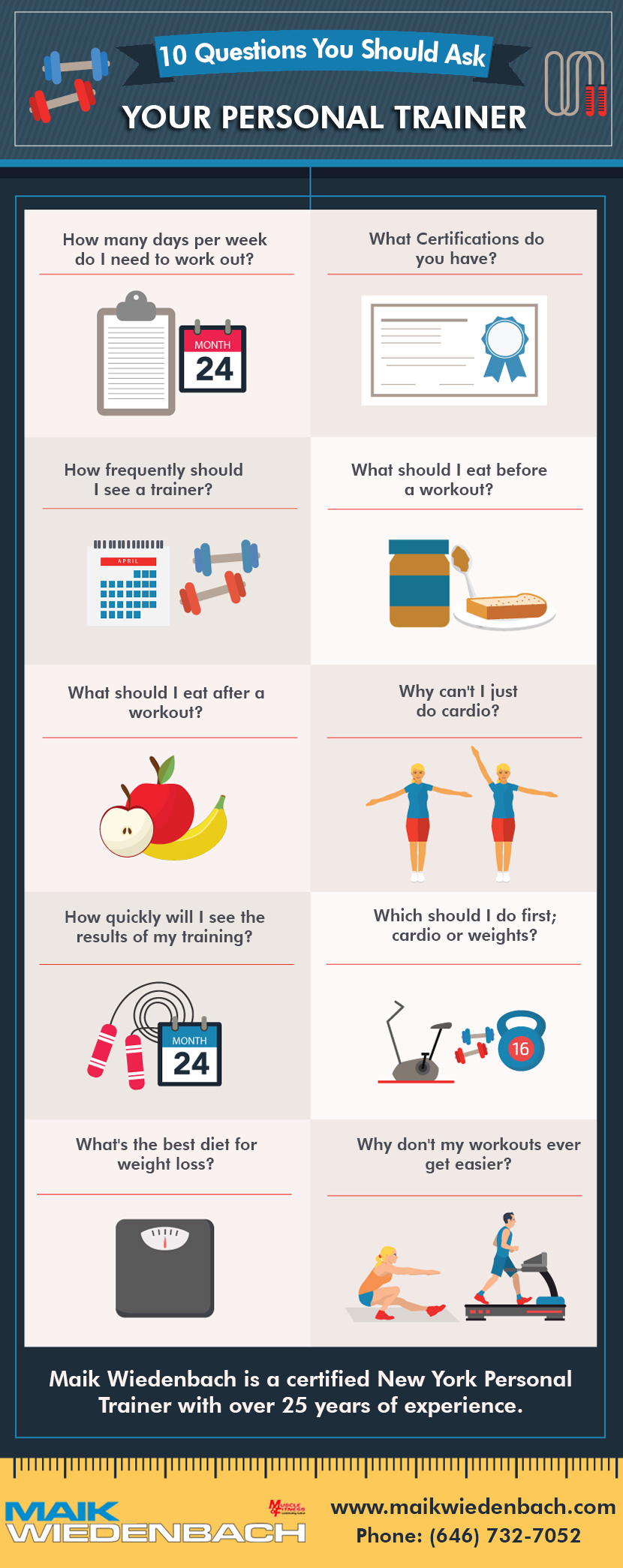
Home Workout Wisdom: Your Personal Trainer's Top FAQs
Hey there, fitness friends! Ever feel like your living room is judging you? Like your couch is silently mocking your abandoned gym membership? Don't worry, you're not alone! We all have those moments where the allure of a home workout battles it out with the comfort of…well, not working out. But guess what? You can conquer those fitness goals right from the comfort of your own home. In fact, home workouts are booming right now. Think about it: no commute, no crowded gyms, and you can blast your favorite questionable playlist without fear of judgment. But let's be honest, diving into the world of at-home fitness can feel a bit like wandering through a fitness jungle. There are countless apps, You Tube videos, and Instagram influencers all promising the "perfect" workout. It's enough to make your head spin faster than a spin class instructor on caffeine. And that's where the questions start piling up. "Am I doing this right?" "Is this actually effective?" "Will my cat ever stop using my yoga mat as a scratching post?"
And here's the kicker: even with all the information out there, sometimes it feels like you're missing something. Like a secret fitness code that unlocks the ultimate results. Maybe you're seeing amazing transformations online but struggling to replicate them yourself. Perhaps you're battling nagging aches and pains that just won't go away. Or maybe, just maybe, you're secretly wondering if those online fitness gurus are even real people or just highly sophisticated robots designed to sell workout programs. Trust me, we get it. That's why we decided to tap into the brains of some top-notch personal trainers and get the lowdown on the most common questions they hear about home workouts. We're talking real-world advice, practical tips, and none of that overly complicated fitness jargon. We’re cutting through the noise and getting straight to the stuff that matters: helping you build a safe, effective, and enjoyable home workout routine. So, buckle up, grab your water bottle (and maybe bribe your cat with some treats), because we're about to dive into the ultimate guide to home workout FAQs. Are you ready to unlock the secrets to a fitter, healthier, and happier you, all without ever leaving your living room? Let’s find out!
Ask a Personal Trainer: Common Questions About Home Workouts
Decoding the Home Workout Maze
Let's face it, the world of online fitness is vast and sometimes a little overwhelming. It's easy to get lost in the sea of information, and it's even easier to fall for the latest fitness fads. But fear not, friends! We're here to help you navigate the home workout maze with confidence. We've gathered some of the most common questions that people ask personal trainers about home workouts, and we're delivering the answers straight to you.
Question 1: Getting Started
The first step is often the hardest, isn’t it? "I'm completely new to working out. Where do I even begin?" It’s a classic question, and a valid one. Starting anything new can be daunting, but it doesn't have to be! Here’s how to ease into the world of home workouts:
• Begin with the basics: If you're a complete beginner, don't jump into advanced HIIT routines. Start with fundamental movements like squats, push-ups (modified on your knees if needed), lunges, planks, and rows. These exercises work multiple muscle groups and build a solid foundation.
• Set realistic goals: Don't aim to become a fitness model overnight. Start with small, achievable goals. For example, aim to workout for 30 minutes, three times a week. As you get stronger and more comfortable, you can gradually increase the intensity and duration of your workouts.
• Focus on form: Proper form is crucial to prevent injuries. Watch videos, read articles, and pay close attention to how your body feels during each exercise. If possible, record yourself and compare your form to that of a certified trainer.
• Find a workout buddy (even a virtual one!): Working out with a friend can provide motivation and accountability. If you can't find a workout buddy in person, join an online fitness community or follow inspiring fitness accounts on social media.
• Make it enjoyable: The key to sticking with a workout routine is to find activities that you enjoy. Experiment with different types of workouts, such as dance fitness, yoga, Pilates, or strength training.
Question 2: Equipment Essentials
Another common question we get is: "Do I need to buy a ton of equipment to get a good home workout?" The answer is a resounding no! While fancy equipment can be fun, you can get a fantastic workout with minimal gear.
• Bodyweight is your best friend: Seriously! Your own body weight is an incredibly effective tool for building strength and endurance. Think squats, push-ups, planks, lunges, and dips.
• Resistance bands are a game-changer: These versatile bands are lightweight, portable, and affordable. They can add resistance to exercises like squats, lunges, and rows, making them more challenging.
• Dumbbells: A set of dumbbells is a great investment for building muscle. Start with a light to moderate weight that allows you to maintain good form.
• Jump rope: A jump rope is a fantastic cardio tool that can be used anywhere. It's also a great way to improve coordination and agility.
• Yoga mat: A yoga mat provides a comfortable surface for floor exercises and helps prevent slipping.
• Think outside the box: Get creative with household items! Use canned goods as weights, a chair for tricep dips, or stairs for step-ups.
Question 3: Avoiding Injuries
One of the biggest concerns with home workouts is the risk of injury. Nobody wants to be sidelined by a pulled muscle or a tweaked back. So, the question becomes: "How can I prevent injuries while working out at home?"
• Warm-up properly: Never skip the warm-up! A proper warm-up prepares your muscles for exercise by increasing blood flow and flexibility. Aim for at least 5-10 minutes of light cardio and dynamic stretching, like arm circles, leg swings, and torso twists.
• Focus on form, again!: We cannot stress this enough. Proper form is paramount to preventing injuries. If you're unsure about the correct form for an exercise, seek guidance from a certified personal trainer or physical therapist.
• Listen to your body: Pay attention to any pain or discomfort you experience during your workout. If something doesn't feel right, stop immediately and rest. Don't try to push through pain.
• Cool-down and stretch: Just as important as the warm-up, the cool-down helps your body recover after exercise. Spend 5-10 minutes doing static stretches, holding each stretch for 30 seconds.
• Don't overdo it: Start slowly and gradually increase the intensity and duration of your workouts. Avoid doing too much too soon, as this can increase your risk of injury.
• Hydrate: Dehydration can lead to muscle cramps and fatigue, which can increase your risk of injury. Drink plenty of water before, during, and after your workout.
Question 4: Staying Motivated
Let's be real, motivation can be a fickle friend. Some days you're fired up and ready to conquer the world, and other days you can barely muster the energy to get off the couch. So, how do you stay motivated with home workouts?
• Set a schedule and stick to it: Treat your workouts like appointments and schedule them into your day. Consistency is key to seeing results and staying motivated.
• Find a workout buddy: As mentioned before, working out with a friend can provide motivation and accountability. Knowing that someone is counting on you can help you stick to your schedule.
• Create a dedicated workout space: Having a designated workout space can help you get into the right mindset. It doesn't have to be a fancy home gym, but a clean and organized space can make your workouts more enjoyable.
• Reward yourself: Celebrate your progress and reward yourself for reaching your goals. This could be anything from buying new workout clothes to treating yourself to a massage.
• Track your progress: Seeing how far you've come can be incredibly motivating. Keep track of your workouts, weight lifted, and body measurements to monitor your progress.
• Don't be afraid to change things up: Boredom can kill motivation. Keep your workouts fresh and exciting by trying new exercises, routines, or fitness classes.
• Remember your "why": Why did you start working out in the first place? Keep your goals in mind and remind yourself of the reasons why you want to achieve them.
More Common Home Workout Questions Answered
Let’s dive into some more specific questions to help you optimize your at-home fitness journey!
Question: "What's the best time of day to workout at home?"
• Listen to your body clock: There's no one-size-fits-all answer. The best time to workout is when you feel most energized and motivated. Experiment with different times of day to see what works best for you.
• Morning workouts: Some people find that working out in the morning sets them up for a productive day. It can also help boost your metabolism and improve your mood.
• Afternoon workouts: Afternoon workouts can be a great way to relieve stress and boost your energy levels after a long day.
• Evening workouts: Evening workouts can help you unwind and relax before bed. However, avoid working out too close to bedtime, as it can interfere with your sleep.
• Fit it into your schedule: Ultimately, the best time to workout is the time that you can consistently stick to. Don't worry about what's optimal.Just focus on finding a time that works for your schedule and make it a habit.
Question: "How long should my home workouts be?"
• Quality over quantity: It's better to do a short, intense workout than a long, half-hearted one. Focus on proper form and pushing yourself to your limits.
• Aim for at least 30 minutes: A 30-minute workout is a great starting point for most people. You can gradually increase the duration as you get fitter.
• Consider your goals: If you're trying to build muscle, you'll need to spend more time on strength training exercises. If you're trying to improve your cardio, you'll need to focus on aerobic activities.
• Listen to your body: Don't feel like you have to workout for a certain amount of time if you're feeling tired or sore. Rest and recovery are just as important as exercise.
• Break it up: If you don't have time for a long workout, try breaking it up into smaller chunks throughout the day. For example, you could do a 15-minute workout in the morning and another 15-minute workout in the evening.
Question: "I'm not seeing results! What am I doing wrong?"
• Be patient: Results take time and consistency. Don't get discouraged if you don't see changes overnight. Stick with your routine and trust the process.
• Track your progress: As mentioned before, tracking your progress can help you stay motivated. It can also help you identify areas where you need to make adjustments to your routine.
• Evaluate your diet: Exercise is only one piece of the puzzle. If you're not eating a healthy diet, you won't see the results you're looking for. Focus on eating whole, unprocessed foods and limiting your intake of sugar and unhealthy fats.
• Reassess your workout routine: Are you challenging yourself enough? Are you varying your exercises? Are you allowing your body enough time to recover? If you're not seeing results, it may be time to make some changes to your routine.
• Consider seeking professional help: If you're still struggling to see results, consider consulting with a certified personal trainer or registered dietitian. They can help you identify areas where you can improve and develop a personalized plan to help you reach your goals.
Question: "How often should I change my workout routine?"
• Listen to your body: If you're feeling bored or plateauing, it's probably time to change things up.
• Aim for every 4-6 weeks: This is a general guideline, but it may vary depending on your individual needs and goals.
• Vary your exercises: Introduce new exercises to challenge your muscles in different ways.
• Adjust the intensity: Increase the weight, reps, or sets to make your workouts more challenging.
• Change the rep ranges: High reps build endurance, low reps build strength, and moderate reps build muscle mass.
• Try different types of workouts: Incorporate different styles of training, such as HIIT, circuit training, or yoga.
Personal Trainer Q&A: Home Workout Edition
Let's get specific! Here are some example questions and answers you might hear from a personal trainer about home workouts:
• Question: "I have limited space. What are some effective exercises I can do?"
• Answer: "Focus on compound exercises that work multiple muscle groups at once, like squats, lunges, push-ups, and planks. You can also incorporate exercises that require minimal space, like burpees, jumping jacks, and mountain climbers."
• Question: "I don't have much time. Can I still get a good workout in 15-20 minutes?"
• Answer: "Absolutely! High-intensity interval training (HIIT) is a great option for short, effective workouts. Focus on alternating between bursts of intense exercise and short periods of rest. You can also do a circuit of bodyweight exercises, performing each exercise for a set amount of time with minimal rest in between."
• Question: "I'm struggling with motivation. How can I make my home workouts more enjoyable?"
• Answer: "Experiment with different types of workouts to find something you enjoy. Try dance fitness, yoga, or online fitness classes. You can also create a playlist of your favorite upbeat music to get you pumped up. Find a workout buddy or join an online fitness community for support and accountability."
• Question: "I'm experiencing pain in my knees during squats. What should I do?"
• Answer: "First, make sure you're using proper form. Keep your chest up, your back straight, and your knees aligned with your toes. You can also try modifying the exercise by doing partial squats or wall sits. If the pain persists, consult with a physical therapist or doctor to rule out any underlying issues."
Conclusion: Your Home, Your Gym, Your Rules
We've covered a lot of ground in this guide to home workout FAQs, from getting started and choosing the right equipment to staying motivated and preventing injuries. The key takeaway is that home workouts are an incredibly accessible and effective way to achieve your fitness goals. You don't need a fancy gym membership or expensive equipment to get in shape. All you need is a little knowledge, dedication, and the willingness to get started.
Now it's time to take action! Don't let those questions linger and turn into excuses. Start small, be consistent, and focus on making healthy habits that you can sustain over the long term. Remember, every workout counts, no matter how short or simple it may seem.
We encourage you, friends, to carve out just 30 minutes this week to dedicate to your health. Remember that workout from home, like everything else, is a journey, not a destination. So embrace the process, celebrate your successes, and don't be afraid to ask for help along the way. We hope this article has empowered you to take control of your fitness journey and create a healthier, happier you, right from the comfort of your own home. Are you ready to transform your living room into your personal gym?

Post a Comment for "Ask a Personal Trainer: Common Questions About Home Workouts"
Post a Comment