How to Manage Stress and Improve Your Mental Well-being
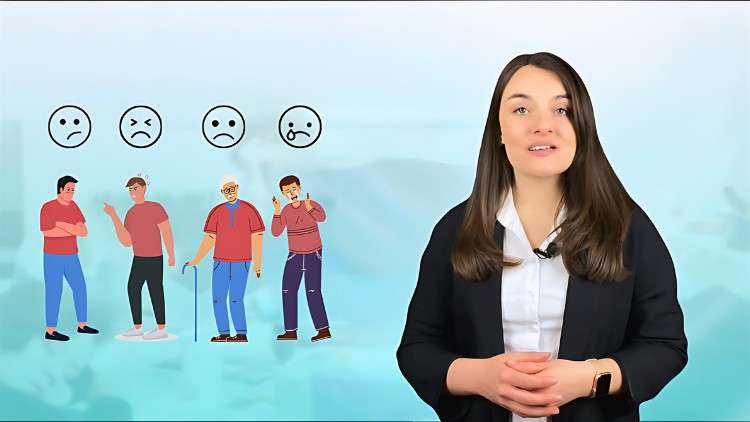
How to Find Your Inner Peace: A Guide to Stress Management and Mental Well-being
Hey there, friend! Ever feel like you're juggling flaming torches while riding a unicycle on a tightrope? Yeah, that's pretty much how modern life feels sometimes. We're constantly bombarded with deadlines, social media notifications, and the never-ending pressure to "have it all." It's no wonder stress and anxiety are practically national pastimes. According to the American Psychological Association, stress levels are consistently high across all age groups, with work and money being major culprits. Think about it: that overflowing inbox, the looming bills, the pressure to keep up appearances online – it all adds up. It's like our brains are running a marathon, but we haven't even stretched first.
But here's the good news: you don't have to live in a constant state of overwhelm. You absolutely have the power to take control of your mental well-being and create a life that feels more balanced and peaceful. It's not about eliminating stress entirely (because let's be real, that's impossible), but about learning effective strategies to manage it, build resilience, and cultivate a sense of inner peace. Remember that time you aced that presentation you thought you’d bomb, or when you fixed something around the house when you thought you would make it worse? You are stronger and more capable than you know.
We all have those days where we're running on fumes, fueled by caffeine and sheer willpower. Maybe your boss is breathing down your neck, your kids are acting like tiny, adorable terrorists, and your car decided to stage a dramatic breakdown on the highway. Or maybe it's just a general feeling of unease, a nagging sense that you're not quite living your best life. Whatever the reason, chronic stress can take a serious toll on your mental and physical health. It can lead to everything from headaches and digestive issues to insomnia and even heart disease.
And let's not forget the mental side effects: anxiety, depression, irritability, and a general feeling of being stuck.It's like your brain is a computer with too many tabs open, and it's just struggling to keep up. You might find yourself snapping at loved ones, procrastinating on important tasks, or just feeling completely disconnected from the things that used to bring you joy.
But what if I told you that there's a way out of this cycle? What if you could learn to navigate the challenges of life with more grace and ease, without sacrificing your sanity in the process? What if you could find a sense of calm and contentment, even in the midst of chaos?
That's exactly what we're going to explore in this article. We're going to delve into practical, actionable strategies for managing stress and improving your mental well-being. We'll cover everything from mindfulness and meditation to exercise and healthy eating, and we'll even throw in a few unexpected tips and tricks along the way. So, buckle up, friend, and get ready to embark on a journey to a happier, healthier, and more peaceful you! Are you ready to unlock the secrets to managing stress and finding your inner peace?
Managing Stress and Improving Mental Well-being
Stress, that ever-present shadow in our lives, can feel like an insurmountable obstacle. But what if we reframed it, not as an enemy to be vanquished, but as a signal to be understood? Stress, in its purest form, is simply our body's response to a demand. The key is to understand those demands and equip ourselves with effective coping mechanisms. So, let's dive into some powerful strategies for managing stress and improving your mental well-being, with a focus on actionable steps and real-world applications.
Building a Solid Foundation
Before we delve into specific techniques, let's establish a foundation of healthy habits. These are the cornerstones of a resilient mind and body, and they're often overlooked in the rush of daily life.
• Prioritize Sleep: The Underrated Superpower
Seriously, friends, sleep is not a luxury; it's a necessity. Think of it as your brain's nightly reset button. Aim for 7-9 hours of quality sleep each night. This allows your body and mind to repair and rejuvenate. It allows your brain to consolidate memories and regulate hormones. Lack of sleep can wreak havoc on your mood, focus, and overall health.
Tips for better sleep include creating a consistent sleep schedule, establishing a relaxing bedtime routine (think warm baths, reading, or meditation), and optimizing your sleep environment (dark, quiet, and cool). Avoid caffeine and alcohol before bed, and consider using a white noise machine to block out distractions. Also consider cutting down on late night screen time; the blue light emitted from devices can disrupt your sleep cycle.
• Nourish Your Body: Food as Fuel and Medicine
What you eat directly impacts your mood and energy levels. Think of food as fuel for your brain and body. A diet rich in fruits, vegetables, whole grains, and lean protein can help regulate blood sugar levels, stabilize mood, and provide sustained energy throughout the day.
Conversely, processed foods, sugary drinks, and excessive caffeine can lead to energy crashes, mood swings, and increased anxiety. As an example, imagine eating a giant donut for breakfast. You might feel great for the first hour, but soon you'll experience a sugar crash, leaving you feeling tired, irritable, and craving more sugar.
Focus on incorporating nutrient-dense foods into your diet and limit your intake of processed foods and sugary drinks. And remember, hydration is key! Dehydration can lead to fatigue, headaches, and impaired cognitive function. Aim to drink at least eight glasses of water per day.
• Move Your Body: Exercise as a Stress Reliever
Exercise is a natural stress reliever and mood booster. Physical activity releases endorphins, which have mood-elevating effects. It also helps to reduce muscle tension, improve sleep quality, and boost self-esteem.
You don't need to run a marathon to reap the benefits of exercise. Even a short walk, a bike ride, or a dance session can make a big difference. The key is to find an activity that you enjoy and that fits into your lifestyle.
Aim for at least 30 minutes of moderate-intensity exercise most days of the week. This could be anything from brisk walking to swimming to yoga. And don't be afraid to get creative! Find activities that you genuinely enjoy, and you'll be more likely to stick with them in the long run.
Mindfulness and Meditation: Taming the Anxious Mind
Mindfulness and meditation are powerful tools for managing stress and cultivating inner peace. They involve focusing your attention on the present moment without judgment. This allows you to observe your thoughts and feelings without getting caught up in them.
Here's where the real magic happens: learning to observe your thoughts and feelings without judgment. It's like watching clouds pass by in the sky. You acknowledge their presence, but you don't try to hold onto them or change them.
Through regular practice, mindfulness and meditation can help you reduce stress, improve focus, increase self-awareness, and cultivate a greater sense of calm and contentment.
• Practice Mindfulness: Embrace the Present Moment
Mindfulness is the practice of paying attention to the present moment without judgment. It's about being fully engaged in whatever you're doing, whether it's washing dishes, taking a walk, or talking to a friend.
One simple way to practice mindfulness is to focus on your breath. Sit comfortably, close your eyes, and bring your attention to the sensation of your breath entering and leaving your body. When your mind wanders (and it will!), gently redirect your attention back to your breath.
Another way to practice mindfulness is to engage your senses. Pay attention to the sights, sounds, smells, tastes, and textures around you. Notice the details that you might normally overlook. For example, when you're eating a meal, savor each bite. Notice the flavors, textures, and aromas.
Mindfulness is not about emptying your mind or achieving a state of perfect tranquility. It's about cultivating awareness and acceptance of the present moment, just as it is.
• Try Meditation: Find Your Inner Sanctuary
Meditation is a more formal practice of mindfulness. It typically involves sitting quietly and focusing your attention on a specific object, such as your breath, a mantra, or a guided visualization.
There are many different types of meditation, so experiment to find one that resonates with you. Some popular options include:
Guided Meditation: Listening to a pre-recorded audio that guides you through a meditation practice.
Loving-Kindness Meditation: Cultivating feelings of love, compassion, and kindness towards yourself and others.
Transcendental Meditation: Repeating a specific mantra to quiet the mind.
Walking Meditation: Focusing on the sensation of your feet making contact with the ground as you walk.
Start with just a few minutes of meditation each day and gradually increase the duration as you become more comfortable. Don't worry if your mind wanders – it's perfectly normal. Just gently redirect your attention back to your chosen focus.
Building Resilience: Bouncing Back from Adversity
Life is full of challenges and setbacks. The ability to bounce back from adversity is known as resilience. Resilient people are not immune to stress, but they have developed coping mechanisms that allow them to navigate difficult situations with greater ease and grace.
• Cultivate Gratitude: Focus on the Positive
Gratitude is a powerful antidote to stress and negativity. When you focus on the things you're grateful for, you shift your perspective and create a more positive outlook on life.
Make it a habit to practice gratitude every day. You can keep a gratitude journal, where you write down things you're grateful for. Or you can simply take a few moments each day to reflect on the good things in your life.
Even in the midst of difficult times, there's always something to be grateful for. It might be as simple as a warm cup of coffee, a beautiful sunset, or a kind word from a friend.
• Connect with Others: Build a Support Network
Social connection is essential for mental well-being. When you feel connected to others, you feel supported, loved, and valued.
Make an effort to cultivate meaningful relationships with friends, family, and colleagues. Spend time with people who uplift and inspire you. Join a club or organization that aligns with your interests. Volunteer your time to a cause you care about.
If you're feeling isolated or lonely, reach out to a friend or family member. Talk to a therapist or counselor. There are many resources available to help you connect with others and build a strong support network.
• Set Realistic Goals: Avoid Overwhelm
Setting unrealistic goals can lead to stress and frustration. When you set achievable goals, you're more likely to experience success, which boosts your confidence and motivation.
Break down large goals into smaller, more manageable steps. Focus on one step at a time. Celebrate your progress along the way.
And don't be afraid to adjust your goals if necessary. Life is unpredictable, and sometimes things don't go according to plan. Be flexible and adaptable, and remember that it's okay to change course.
• Learn to Say No: Protect Your Time and Energy
Overcommitting yourself can lead to stress and burnout. Learning to say no is essential for protecting your time and energy.
Before saying yes to a request, ask yourself if you have the time and energy to fulfill it without sacrificing your well-being. If the answer is no, politely decline.
It's okay to prioritize your own needs. You can't pour from an empty cup. Taking care of yourself is not selfish; it's essential for your overall health and happiness.
Seeking Professional Help
Sometimes, despite our best efforts, stress can become overwhelming and difficult to manage on our own. In these cases, seeking professional help is a sign of strength, not weakness.
• Therapy and Counseling: A Safe Space to Explore
Therapy and counseling can provide a safe and supportive space to explore your thoughts and feelings, develop coping mechanisms, and work through difficult experiences.
A therapist can help you identify the root causes of your stress, develop strategies for managing your anxiety, and improve your overall mental well-being.
There are many different types of therapy, so you can find one that aligns with your needs and preferences. Some common options include:
Cognitive Behavioral Therapy (CBT): Focuses on changing negative thought patterns and behaviors.
Dialectical Behavior Therapy (DBT): Teaches skills for managing emotions, improving relationships, and coping with distress.
Psychodynamic Therapy: Explores unconscious patterns and past experiences to gain insight into current problems.
Don't be afraid to shop around and find a therapist who you feel comfortable with. The therapeutic relationship is essential for successful treatment.
• Medication: A Potential Tool for Relief
In some cases, medication may be helpful for managing anxiety and depression. However, medication should always be used in conjunction with therapy and other lifestyle changes.
Antidepressants and anti-anxiety medications can help regulate brain chemistry and alleviate symptoms such as sadness, worry, and panic. However, these medications can also have side effects, so it's important to discuss the risks and benefits with your doctor.
Medication is not a magic bullet, but it can be a valuable tool for some people. If you're considering medication, talk to your doctor or psychiatrist to determine if it's the right choice for you.
Questions and Answers About Managing Stress and Improving Mental Well-being
Here are some frequently asked questions about managing stress and improving mental well-being:
Question 1: I'm always stressed out. Is there something wrong with me?
Answer: Absolutely not! Stress is a normal human response to challenging situations. It's not a sign of weakness or failure. However, chronic stress can be harmful to your health. The key is to learn effective strategies for managing stress and building resilience.
Question 2: I've tried meditation, but I can't seem to quiet my mind. What am I doing wrong?
Answer: You're not doing anything wrong! It's perfectly normal for your mind to wander during meditation. The goal is not to empty your mind, but to cultivate awareness of your thoughts and feelings without judgment. When your mind wanders, gently redirect your attention back to your chosen focus.
Question 3: I don't have time for self-care. How can I prioritize my mental well-being when I'm so busy?
Answer: Start small! Even a few minutes of self-care each day can make a big difference. Take a short walk, listen to music, read a book, or spend time with loved ones. Look for opportunities to incorporate self-care into your daily routine. For example, you could practice mindfulness while you're washing dishes or waiting in line.
Question 4: I'm afraid to seek professional help because I don't want to be labeled as crazy.What should I do?
Answer: Seeking professional help is a sign of strength, not weakness. It takes courage to acknowledge that you're struggling and to reach out for support. Mental health is just as important as physical health, and there's no shame in seeking treatment for mental health issues. Remember, many people benefit from therapy and counseling. Your privacy is protected, and seeking help can significantly improve your quality of life.
Conclusion
Alright, friends, we've covered a lot of ground in this journey to manage stress and improve your mental well-being. We've explored the importance of building a solid foundation with healthy habits, taming the anxious mind with mindfulness and meditation, and building resilience to bounce back from adversity. We've also discussed the importance of seeking professional help when needed.
The most important takeaway is that you have the power to take control of your mental well-being. It's not about eliminating stress entirely, but about learning effective strategies to manage it, build resilience, and cultivate a sense of inner peace.
Remember, this is a journey, not a destination. There will be ups and downs along the way. Be patient with yourself, celebrate your progress, and never give up on your pursuit of a happier, healthier, and more peaceful you.
So, what's your first step going to be? Will you try a guided meditation, start a gratitude journal, or schedule a walk in nature? Whatever you choose, take action today and start your journey to a better you.
And remember, you're not alone in this. We're all in this together. Let's support each other, share our experiences, and create a world where mental well-being is prioritized and celebrated. What small act of kindness can you do today to brighten someone else's day and spread a little bit of joy?

Post a Comment for "How to Manage Stress and Improve Your Mental Well-being"
Post a Comment