10 Ways to Improve Your Mental Resilience
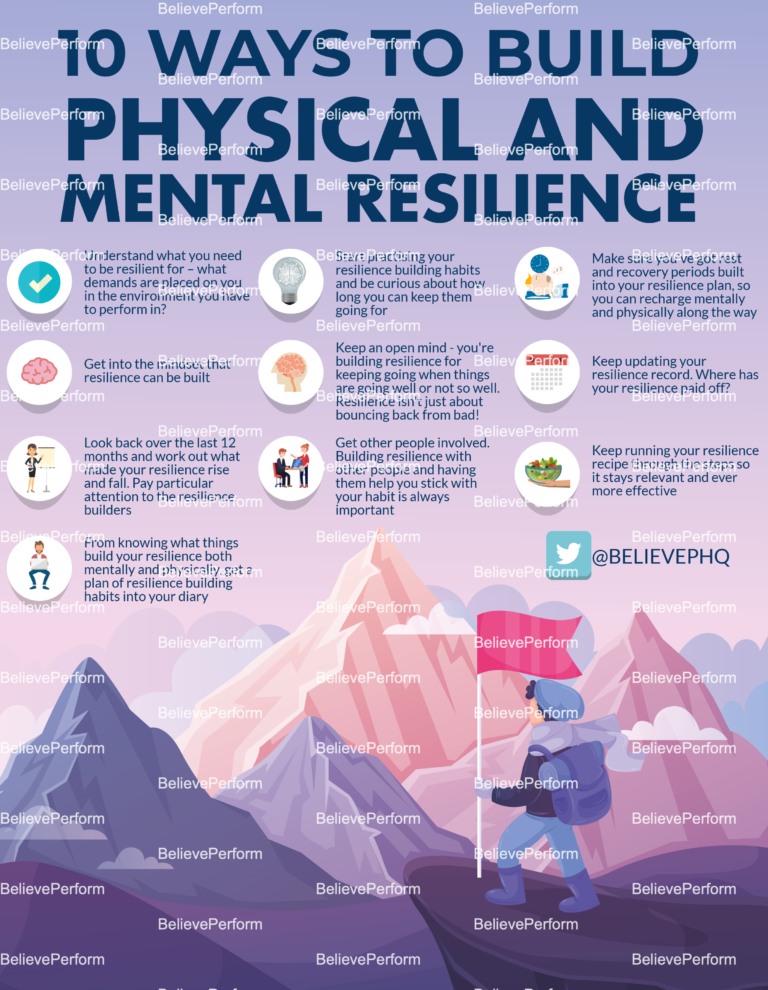
Unlock Your Inner Fortress: 10 Proven Ways to Supercharge Your Mental Resilience
Hey there, friends! Ever feel like life's throwing you curveball after curveball? Like you're constantly dodging metaphorical (or maybe literal, if you're particularly unlucky) tomatoes? We've all been there. It's that feeling of being overwhelmed, of not being able to handle one more thing. But what if I told you there's a way to not just survive those curveballs, but to actuallythrivebecause of them? That's where mental resilience comes in, and trust me, it's a superpower we all possess, just waiting to be unlocked.
Think of it like this: life is a bouncy castle. Sometimes it's smooth sailing, you're jumping around, having a blast. Other times, someone's intentionally bumping into you, the music's too loud, and you just want to escape. Mental resilience is the strength of the bouncy castle itself. A weak bouncy castle deflates at the slightest poke. A resilient one? It wobbles, sure, but it bounces right back. And that's exactly what we want to do: bounce back, stronger than ever.
Now, you might be thinking, "Okay, great metaphor, but I'm not a bouncy castle. How do I actuallybuildthis resilience?" Well, I'm glad you asked! Because just like building muscle, building mental resilience takes practice, consistency, and the right tools. It's not about becoming invincible or pretending that everything's sunshine and rainbows. It's about developing the skills to navigate challenges, learn from setbacks, and emerge stronger on the other side. It's about understanding that feeling down is normal, but staying down doesn't have to be.
We're constantly bombarded with information, opinions, and expectations. Social media feeds us carefully curated highlight reels, making us feel like we're constantly falling short. The news cycles relentlessly churn out stories of doom and gloom, leaving us feeling anxious and powerless. The pressure to succeed, to be perfect, to have it all figured out can be absolutely crushing. A recent study by the American Psychological Association found that stress levels are higher than ever, particularly among younger generations. We’re living in a time of unprecedented change and uncertainty, and that takes a toll.
But here's the good news: mental resilience isn't some innate quality you're born with. It's a set of skills that you can learn and develop, no matter your background or current circumstances. And that's what this article is all about. We're going to explore ten proven ways to improve your mental resilience, backed by science and real-world examples. These aren't just empty platitudes; they're practical strategies that you can start implementing today to build a stronger, more resilient you.
So, are you ready to transform from a wilted flower into a resilient redwood? To face life's challenges with confidence and grace? To finally stop feeling like you're constantly battling the waves and start learning to surf them? Let's dive in and discover the ten secrets to unlocking your inner fortress and becoming the master of your own mental wellbeing!
Cultivating Inner Strength: 10 Ways to Build Mental Resilience
Alright, friends, let's get down to business. We're going to explore ten actionable strategies you can start usingtodayto build your mental resilience. Remember, this isn't a race. It's a journey. Pick one or two strategies to focus on at a time, and gradually incorporate them into your daily routine. Consistency is key!
• Embrace the Power of Acceptance
This might sound a little "woo-woo," but trust me, it's a game-changer. Acceptance isn't about liking everything that happens to you. It's about acknowledging reality for what it is, without resistance or judgment. Think of it like this: you're stuck in traffic. You can either fume and stress, making yourself miserable, or you can accept that you're stuck, put on some music, and maybe even enjoy the unexpected downtime. Accepting the things you can't change frees up your energy to focus on the things youcanchange. A study published in the "Journal of Personality and Social Psychology" found that individuals who practice acceptance experience lower levels of anxiety and depression. Learning to say, "Okay, this is happening. Now, what can I do about it?" is a powerful tool for building resilience.
• Nurture Strong Social Connections
We humans are social creatures. We thrive on connection and belonging. Having strong relationships with family, friends, and community members provides us with a buffer against stress and adversity. When you're going through a tough time, talking to someone who cares can make all the difference. Don't underestimate the power of a listening ear, a shoulder to cry on, or even just a good laugh with a friend. Make an effort to stay connected with the people who matter most to you. Schedule regular get-togethers, pick up the phone and call someone, or even just send a quick text to let them know you're thinking of them. Loneliness is a silent killer, and it can severely impact your mental resilience. Remember, you're not alone, and reaching out for support is a sign of strength, not weakness.
• Practice Mindfulness and Meditation
Mindfulness is the practice of paying attention to the present moment without judgment. It's about observing your thoughts and feelings without getting caught up in them. Meditation is a powerful tool for cultivating mindfulness. Even just a few minutes of meditation each day can help you reduce stress, improve focus, and increase your overall sense of well-being. There are tons of great apps and online resources to guide you through the process. Don't worry if your mind wanders; that's perfectly normal. Just gently bring your attention back to your breath or whatever you're focusing on. Mindfulness helps you develop a greater awareness of your inner world, allowing you to respond to challenges with more clarity and composure. Think of it as giving your mind a regular oil change, keeping it running smoothly even under pressure. According to research from Harvard Medical School, regular meditation can actually change the structure of the brain, strengthening areas associated with attention and emotional regulation.
• Cultivate a Growth Mindset
A growth mindset is the belief that your abilities and intelligence can be developed through effort and learning. It's the opposite of a fixed mindset, which is the belief that your abilities are fixed and unchangeable. When you have a growth mindset, you see challenges as opportunities for growth, and you're more likely to persevere in the face of setbacks. Embrace failure as a learning experience, and focus on the process of improvement rather than just the outcome. Read books, take courses, and surround yourself with people who inspire you to learn and grow. Remember, the only limit to your potential is the one you set for yourself. Carol Dweck's research on growth mindset has shown that students with a growth mindset achieve higher academic results and are more resilient in the face of challenges.
• Set Realistic Goals and Celebrate Small Wins
Setting goals gives you a sense of direction and purpose. But it's important to set realistic goals that you can actually achieve. Overly ambitious goals can lead to frustration and discouragement. Break down larger goals into smaller, more manageable steps. And don't forget to celebrate your small wins along the way! Recognizing and appreciating your progress, no matter how small, can boost your motivation and keep you moving forward. Treat yourself to something you enjoy, share your accomplishments with friends and family, or simply take a moment to acknowledge your hard work. Celebrating small wins reinforces positive behaviors and builds momentum towards your larger goals. Think of it like climbing a mountain; you don't reach the summit in one giant leap. You take it one step at a time, and you celebrate each milestone along the way.
• Practice Gratitude Regularly
Gratitude is the practice of focusing on the good things in your life. It's about appreciating what you have, rather than dwelling on what you lack. Studies have shown that gratitude can increase happiness, reduce stress, and improve overall well-being. Make a habit of expressing gratitude regularly. Keep a gratitude journal, write thank-you notes, or simply take a few moments each day to reflect on the things you're grateful for. It could be something as simple as a beautiful sunrise, a delicious meal, or a kind word from a friend. Focusing on the positive aspects of your life can shift your perspective and make you more resilient in the face of adversity. Robert Emmons, a leading researcher on gratitude, has found that people who regularly practice gratitude experience fewer physical symptoms, are more optimistic, and sleep better.
• Prioritize Physical Health
Your physical and mental health are inextricably linked. Taking care of your body is essential for building mental resilience. Get enough sleep, eat a healthy diet, and exercise regularly. Sleep deprivation can impair cognitive function and increase stress levels. A healthy diet provides your brain with the nutrients it needs to function optimally. And exercise releases endorphins, which have mood-boosting effects. Even just a short walk each day can make a big difference. Don't underestimate the power of self-care. Treat your body like the temple it is, and it will reward you with increased energy, resilience, and overall well-being. The CDC recommends at least 150 minutes of moderate-intensity aerobic activity or 75 minutes of vigorous-intensity aerobic activity per week for adults.
• Learn Problem-Solving Skills
Life is full of problems. But instead of being overwhelmed by them, learn to approach them in a systematic and solution-oriented way. Break down the problem into smaller, more manageable parts. Identify potential solutions. Evaluate the pros and cons of each solution. And then choose the best course of action. Don't be afraid to ask for help if you're stuck. And remember, even if you don't solve the problem completely, you can still learn something from the experience. Developing strong problem-solving skills can increase your confidence and resilience in the face of future challenges. A study published in the "Journal of Consulting and Clinical Psychology" found that individuals who learn problem-solving skills experience significant improvements in their mental health and well-being.
• Develop Self-Compassion
Self-compassion is the ability to treat yourself with kindness, understanding, and acceptance, especially when you're going through a tough time. It's about recognizing that you're not perfect, that everyone makes mistakes, and that you deserve to be treated with the same compassion you would offer to a friend. Instead of beating yourself up for your shortcomings, practice self-compassion. Acknowledge your pain, remind yourself that you're not alone, and offer yourself words of encouragement. Kristin Neff, a leading researcher on self-compassion, has found that individuals who practice self-compassion experience lower levels of anxiety, depression, and self-criticism, and higher levels of happiness and life satisfaction.
• Find Meaning and Purpose
Having a sense of meaning and purpose in life can be a powerful buffer against stress and adversity. It gives you a reason to get out of bed in the morning, even when things are tough. Explore your values, identify your passions, and find ways to contribute to something larger than yourself. Volunteer your time, pursue a creative outlet, or simply focus on making a positive impact on the lives of others. When you feel like you're making a difference in the world, you're more likely to feel resilient and fulfilled. Viktor Frankl, a Holocaust survivor and psychiatrist, argued that finding meaning in suffering is essential for survival. He believed that even in the most horrific circumstances, individuals can find meaning and purpose, which can give them the strength to endure.
Frequently Asked Questions About Mental Resilience
Let's tackle some common questions about mental resilience to further clarify this important topic.
• Is mental resilience something you're born with, or can it be learned?
Great question! While some people may have a natural predisposition towards resilience, it's definitely a skill that can be learned and developed over time. Think of it like learning a musical instrument. Some people might have a natural ear for music, but everyone can improve with practice and dedication. The strategies we've discussed in this article are all designed to help you build your mental resilience, regardless of your starting point.
• How long does it take to build mental resilience?
That's a tough one to answer definitively, as it varies from person to person. It's not a quick fix, but rather an ongoing process. Just like building physical strength, it takes time and consistent effort. You might start to see small improvements within a few weeks of practicing these strategies, but it's important to be patient and persistent. The key is to make these practices a regular part of your life, rather than just doing them when you're feeling stressed.
• What's the difference between mental resilience and just being tough?
That's a crucial distinction! Being "tough" often implies suppressing your emotions and pushing through challenges without acknowledging your vulnerabilities. Mental resilience, on the other hand, is about acknowledging your emotions, accepting your limitations, and developing healthy coping mechanisms. It's about being kind to yourself and allowing yourself to feel, while still maintaining the ability to bounce back from adversity. It's not about being a robot; it's about being a strong and compassionate human being.
• What if I try these strategies and they don't work for me?
It's important to remember that everyone is different, and what works for one person may not work for another. Don't get discouraged if you don't see results immediately, or if some of these strategies don't resonate with you. Experiment with different approaches, and find what works best for you. You might also consider seeking professional help from a therapist or counselor. They can provide you with personalized guidance and support to help you build your mental resilience.
Embrace Your Resilient Self
So, friends, we've journeyed together through ten powerful ways to unlock your inner fortress and supercharge your mental resilience. We've explored the importance of acceptance, connection, mindfulness, growth mindset, goal setting, gratitude, physical health, problem-solving, self-compassion, and purpose. These aren't just abstract concepts; they're practical tools that you can use to navigate life's challenges with greater confidence and grace.
Remember, building mental resilience is a marathon, not a sprint. It's about making small, consistent changes over time that will ultimately transform your ability to cope with stress, overcome adversity, and thrive in the face of challenges. It's about understanding that setbacks are inevitable, but they don't have to define you. It's about learning from your experiences, growing stronger, and emerging more resilient on the other side.
The key takeaway here is that you have the power to shape your own mental well-being. You are not a victim of circumstance. You are the architect of your own inner fortress. By embracing these strategies and incorporating them into your daily routine, you can build a stronger, more resilient you. You can transform from a wilted flower into a resilient redwood, weathering any storm that comes your way.
Now, here's your call to action: Choose one strategy from this article that resonates with you the most, and commit to practicing it for the next week. It could be as simple as starting a gratitude journal, practicing mindfulness for five minutes each day, or reaching out to a friend you haven't spoken to in a while. The important thing is to take action and start building your mental resilience today.
You are stronger than you think, more capable than you realize, and more resilient than you ever imagined. Believe in yourself, trust in your abilities, and never give up on your journey towards a more resilient and fulfilling life. So, what small step will you take today to build your inner fortress?

Post a Comment for "10 Ways to Improve Your Mental Resilience"
Post a Comment