The Importance of Proper Form: Preventing Injuries During Exercise
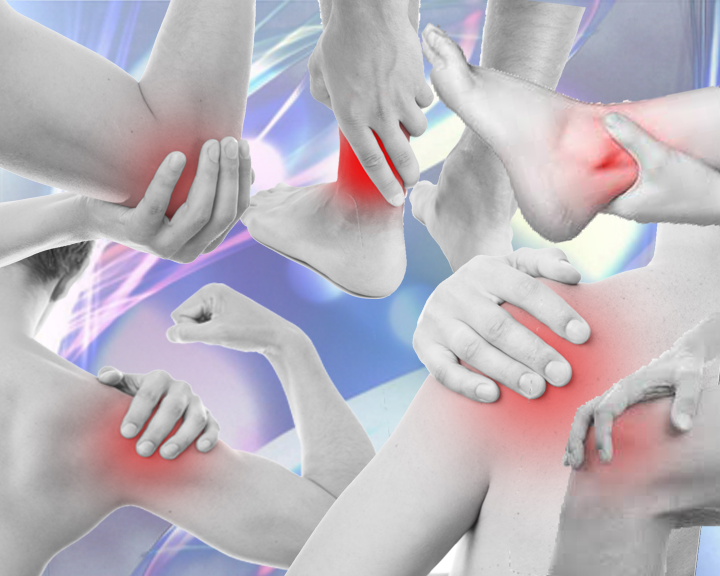
Unlock Your Body's Potential: Mastering Form for Injury-Free Workouts
Hey there, fitness fanatics and workout warriors! Ever feel that twinge in your knee after squats, or that nagging ache in your lower back after deadlifts? Let's be honest, we've all been there. You're pumped, ready to crush your goals, and then BAM! Your body throws a wrench in the plans. It's like finally getting that perfect cup of coffee, only to spill it all over your new shirt. Frustrating, right?
We’re bombarded with images of ripped physiques and incredible feats of strength, and it's easy to get caught up in the "go hard or go home" mentality. We load up the weight, push through the pain, and chase those gains. But what if I told you there's a smarter, more sustainable way to achieve your fitness goals, a way that actuallypreventsinjuries instead of causing them? What if I told you the secret weapon isn't some fancy supplement or grueling training program, but something much simpler: proper form?
Think of it like this: you wouldn't drive a Formula 1 race car on a bumpy dirt road, would you? You need the right conditions and techniques to maximize performance and avoid a breakdown. Your body is the same way. It's an incredible machine, capable of amazing things, but it needs to be treated with respect and precision. That's where proper form comes in.
Proper form isn't just about looking good in the mirror (though it certainly doesn't hurt!). It's about maximizing the effectiveness of each exercise, engaging the correct muscles, and minimizing stress on your joints and connective tissues. It's about building a solid foundation for long-term fitness success. Imagine being able to enjoy your workouts for years to come, pushing your limits without the constant fear of injury holding you back. That's the power of proper form.
So, are you ready to unlock your body's full potential and transform your workouts from potentially harmful to incredibly rewarding? Stick with me, friends, and we'll dive deep into the world of proper form. We'll break down the key principles, explore common mistakes, and equip you with the knowledge and tools you need to train smarter, not harder. Get ready to say goodbye to nagging aches and pains and hello to a stronger, healthier, and more resilient you!
The Foundation of Fitness: Mastering Proper Form
Let's get down to brass tacks. What exactlyisproper form, and why is it so darn important? Well, simply put, proper form is performing an exercise in a way that optimizes muscle engagement while minimizing stress on joints and connective tissues. It’s about aligning your body correctly, controlling your movements, and executing each rep with intention and precision.
Think of it as the difference between building a house on a solid foundation versus building it on sand. If your foundation is weak, the whole structure is at risk of collapsing. Similarly, if your form is poor, you're setting yourself up for injuries down the road.
The beauty of proper form is that it's not just about preventing injuries; it's also about maximizing your results. When you use the correct technique, you're able to target the intended muscles more effectively, leading to greater strength gains, improved muscle growth, and enhanced overall performance. It's like unlocking a hidden level of efficiency in your workouts.
Why Proper Form Matters: A Deep Dive
Let's break down the key reasons why mastering proper form is crucial for any fitness enthusiast:
• Injury Prevention: This is the big one, folks. Improper form is a leading cause of exercise-related injuries. When you compromise your form, you're putting undue stress on your joints, ligaments, and tendons, making them more susceptible to strains, sprains, and even more serious injuries like tears and dislocations. Think of it like consistently bending a paperclip back and forth; eventually, it's going to snap. Proper form ensures that your body is moving in a safe and biomechanically sound manner, distributing the load evenly and minimizing the risk of injury.
• Example: Squatting with rounded back places excessive stress on your spine, increasing the risk of disc herniation.
• Maximized Muscle Activation: Proper form ensures that you're engaging the correct muscles during each exercise. When you cheat on your form, you're likely relying on momentum or other muscle groups to compensate, which reduces the effectiveness of the exercise and can even lead to muscle imbalances. By focusing on proper form, you can isolate and target the intended muscles, leading to greater strength gains and improved muscle growth.
• Example: Performing bicep curls with swinging motion takes the tension off the biceps and engages other muscles, reducing the effectiveness of the exercise.
• Improved Performance: When you have a solid foundation of proper form, you're able to lift heavier weights, perform more reps, and push yourself harder without compromising your safety. This translates to faster progress and greater overall performance. Think of it like learning to play a musical instrument; once you master the fundamentals, you're able to play more complex pieces with greater ease and skill.
• Example: Maintaining a stable core during a plank allows you to hold the position longer and with better control.
• Enhanced Body Awareness: Focusing on proper form forces you to be more mindful of your body and how it moves. This increased body awareness can translate to improved posture, balance, and coordination in all aspects of your life. It's like learning to listen to your body and understand its signals, allowing you to make adjustments and prevent injuries before they happen.
• Example: Paying attention to your body’s alignment during yoga can improve flexibility and prevent strains.
• Long-Term Sustainability: Ultimately, mastering proper form is about building a sustainable fitness routine that you can enjoy for years to come. By prioritizing safety and efficiency, you're able to avoid injuries, maximize your results, and maintain a healthy and active lifestyle well into your golden years. It's like investing in your long-term health and well-being, ensuring that you can continue to enjoy the benefits of exercise for years to come.
• Example: Using proper form while lifting groceries can prevent back pain and strains in everyday activities.
Common Mistakes and How to Fix Them
Now that we understand the importance of proper form, let's take a look at some common mistakes that people make and how to fix them:
• Lifting Too Heavy, Too Soon: This is a classic mistake that many beginners make. They get caught up in the desire to lift heavy weights and end up sacrificing their form in the process. Remember, it's better to lift lighter weights with proper form than to lift heavier weights with poor form. Focus on mastering the technique first, and then gradually increase the weight as you get stronger.
• Solution: Start with lighter weights and focus on mastering the technique. Gradually increase the weight as you get stronger. Don't be afraid to deload (reduce the weight) if you find your form is breaking down.
• Rushing Through Reps: Another common mistake is rushing through the reps without focusing on proper control and execution. This can lead to momentum taking over and reducing the effectiveness of the exercise. Instead, focus on performing each rep slowly and deliberately, paying attention to the movement of your muscles and joints.
• Solution: Slow down your reps and focus on controlling the movement. Pause briefly at the top and bottom of each rep to ensure you're engaging the correct muscles.
• Neglecting Core Engagement: Your core is the foundation of all your movements, and it's essential to engage it properly during exercise. A weak or disengaged core can lead to poor posture, instability, and increased risk of injury. Focus on bracing your core before each rep, as if you're preparing to be punched in the stomach.
• Solution: Consciously engage your core muscles before each rep. Practice exercises like planks and dead bugs to strengthen your core.
• Ignoring Pain Signals: Pain is your body's way of telling you that something is wrong. Ignoring pain signals and pushing through can lead to more serious injuries. If you experience pain during an exercise, stop immediately and assess the situation. It's better to err on the side of caution and seek professional help if needed.
• Solution: Listen to your body and stop if you experience pain. Consult with a doctor or physical therapist to identify the cause of the pain and develop a plan for recovery.
• Lack of Awareness: Many people aren't even aware that they're using improper form. They may have learned the exercise incorrectly, or they may have developed bad habits over time. The best way to improve your form is to get feedback from a qualified professional.
• Solution: Record yourself performing exercises and compare it to videos of proper form. Work with a qualified personal trainer who can provide personalized feedback and guidance.
Tips for Perfecting Your Form
Alright, friends, let's equip you with some actionable tips for mastering proper form in your workouts:
• Start with the Basics: Before you start lifting heavy weights, make sure you have a solid understanding of the fundamental movements. Focus on mastering exercises like squats, deadlifts, push-ups, and rows with proper form before progressing to more advanced variations.
• Use a Mirror: Using a mirror can be a helpful tool for monitoring your form. Pay attention to your alignment, posture, and movement patterns. Make sure your body is moving in a straight line and that you're not compensating with other muscle groups.
• Record Yourself: Another great way to assess your form is to record yourself performing exercises and then compare it to videos of proper form. This can help you identify any areas where you're making mistakes.
• Get Feedback: The best way to improve your form is to get feedback from a qualified personal trainer or coach. They can provide personalized guidance and help you identify and correct any errors.
• Focus on Mind-Muscle Connection: The mind-muscle connection refers to your ability to consciously engage the intended muscles during an exercise. Focus on feeling the muscles working and contracting as you perform each rep.
• Prioritize Quality Over Quantity: It's better to perform fewer reps with proper form than to perform more reps with poor form. Focus on quality over quantity and prioritize proper technique over lifting heavy weights.
• Warm-Up Properly: A proper warm-up is essential for preparing your body for exercise and preventing injuries. Include dynamic stretches and light cardio to increase blood flow to your muscles and joints.
• Cool Down and Stretch: After your workout, take some time to cool down and stretch. This will help to improve your flexibility and reduce muscle soreness.
• Be Patient: Mastering proper form takes time and practice. Don't get discouraged if you don't see results immediately. Just keep practicing and focusing on improving your technique, and you'll eventually get there.
Remember, friends, consistency is key. By consistently focusing on proper form in your workouts, you'll be well on your way to building a stronger, healthier, and more resilient body. You'll not only minimize your risk of injury, but you'll also maximize your results and enjoy your workouts for years to come.
Real-World Examples: The Power of Proper Form in Action
To further illustrate the importance of proper form, let's take a look at some real-world examples:
• Case Study 1: The Injured Marathon Runner: A marathon runner was experiencing chronic knee pain that was hindering his training. After consulting with a physical therapist, it was discovered that his running form was inefficient, placing excessive stress on his knee joints. By correcting his form, including improving his stride length and cadence, he was able to eliminate his knee pain and resume his training.
• Case Study 2: The Weightlifting Novice: A beginner weightlifter was eager to build muscle and strength. However, he was lifting too heavy weights with poor form, resulting in lower back pain. After working with a certified personal trainer, he learned proper form for exercises like squats and deadlifts. He reduced the weight and focused on mastering the technique. As his form improved, his back pain subsided, and he was able to gradually increase the weight without compromising his safety.
• Case Study 3: The Office Worker with Back Pain: An office worker was experiencing chronic back pain due to prolonged sitting and poor posture. After attending a workshop on ergonomics and posture, she learned how to maintain proper alignment while sitting and performing simple exercises to strengthen her core muscles. As a result, her back pain significantly improved, and she felt more comfortable and productive at work.
These examples demonstrate that proper form is not just important for athletes and fitness enthusiasts; it's also crucial for everyday activities. By paying attention to your posture and movement patterns, you can prevent injuries and improve your overall quality of life.
Future Trends: Embracing Technology for Enhanced Form
The future of fitness is likely to see increased use of technology to enhance form and prevent injuries. Here are some emerging trends to watch out for:
• Wearable Sensors: Wearable sensors, such as smartwatches and fitness trackers, can provide real-time feedback on your form during exercise. They can track your movement patterns, identify imbalances, and provide alerts if you're using improper technique.
• Motion Capture Technology: Motion capture technology uses cameras and sensors to track your movements in 3D. This technology can be used to analyze your form in detail and provide personalized recommendations for improvement.
• Artificial Intelligence (AI): AI-powered virtual trainers can provide personalized feedback and guidance on your form. These trainers can analyze your movements in real-time and provide corrective cues to help you improve your technique.
• Virtual Reality (VR): VR technology can be used to create immersive training environments that simulate real-world scenarios. This can help you practice proper form in a safe and controlled environment.
These technologies have the potential to revolutionize the way we approach fitness and injury prevention. By providing real-time feedback and personalized guidance, they can help us master proper form and achieve our fitness goals safely and effectively.
Frequently Asked Questions
Let's tackle some common questions about proper form:
• Question 1: How do I know if I'm using proper form?
• Answer: The best way to know if you're using proper form is to get feedback from a qualified personal trainer or coach. You can also record yourself performing exercises and compare it to videos of proper form. Pay attention to your alignment, posture, and movement patterns. If you experience pain during an exercise, stop immediately and assess the situation.
• Question 2: Is it ever okay to sacrifice form for weight?
• Answer: Generally, no. It's almost always better to prioritize proper form over lifting heavy weight. Sacrificing form increases your risk of injury and reduces the effectiveness of the exercise. Focus on mastering the technique first, and then gradually increase the weight as you get stronger.
• Question 3: What if I have a pre-existing injury?
• Answer: If you have a pre-existing injury, it's essential to consult with a doctor or physical therapist before starting any exercise program. They can help you develop a plan that is safe and effective for your specific condition. They may also recommend modifications to certain exercises to minimize stress on the injured area.
• Question 4: How long does it take to master proper form?
• Answer: Mastering proper form takes time and practice. The amount of time it takes will vary depending on your individual abilities, experience, and dedication. Be patient with yourself and focus on making gradual progress. Don't get discouraged if you don't see results immediately. Just keep practicing and focusing on improving your technique, and you'll eventually get there.
Remember, friends, proper form is a journey, not a destination. It's a continuous process of learning, refining, and adapting. By staying focused on proper technique and listening to your body, you'll be well on your way to achieving your fitness goals safely and effectively.
You should always consult with a healthcare professional before starting any new exercise program. They can help you assess your fitness level, identify any potential risks, and develop a plan that is tailored to your individual needs and goals.
Proper form is essential for preventing injuries during exercise. By following the tips outlined in this article, you can master proper form and enjoy your workouts for years to come. Listen to your body and always prioritize safety over lifting heavy weights.
The Path to a Stronger, Safer You: A Final Word
So, we've journeyed through the ins and outs of proper form, haven't we? We’ve seen how it's not just a nice-to-have, but a fundamental pillar of any effective and sustainable fitness regimen. From preventing those dreaded aches and pains to maximizing your muscle activation and unlocking hidden potential, proper form is the key to unlocking a stronger, healthier you.
Remember, it's not about ego lifting or chasing numbers on the weight rack. It's about respecting your body, understanding its biomechanics, and moving with intention and precision. It's about building a solid foundation that will support you for years to come, allowing you to push your limits without the constant fear of injury holding you back.
Now, it's time to take action! I challenge you to dedicate your next workout to focusing solely on your form. Choose just a few exercises and really dial in the technique. Record yourself, compare it to videos, and ask for feedback. You might be surprised at what you discover! Start small, be patient, and celebrate your progress along the way.
Ready to transform your workouts and build a body that's both strong and resilient? What are some of the form cues you find most challenging to remember? Let’s chat in the comments below!

Post a Comment for "The Importance of Proper Form: Preventing Injuries During Exercise"
Post a Comment